Osteoporosis is a major cause of disability but prevention and targeted treatment can reduce the risk of falls and fractures, writes Eamonn Brady MPSI
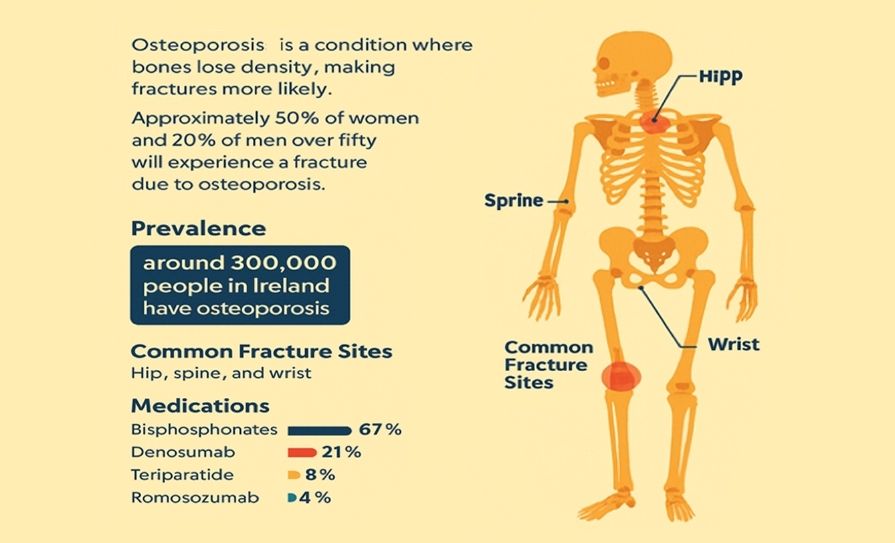
Osteoporosis is a condition where bones lose density, making fractures more likely. Approximately 50 per cent of women and 20 per cent of men aged over 50 will experience a fracture due to osteoporosis. Osteoporosis can affect all age groups, but it is most common in postmenopausal women. Osteoporosis does not automatically mean bones will fracture; it just means fractures are more likely. Osteoporosis is a bigger cause disability than common non-communicable diseases such as Parkinson’s disease, rheumatoid arthritis, and breast cancer.
The Osteoporosis Society of Ireland (OSI) has estimated for a number of years that around 300,000 people in Ireland are living with osteoporosis. Recent HSE and international data suggest that this number may now be rising gradually, driven by Ireland’s ageing population, longer life expectancy, and low diagnosis rates. The OSI continues to highlight that up to 70 per cent of cases remain undiagnosed until a fracture occurs, underscoring the need for better screening and early intervention.
Symptoms
Osteoporosis may have no symptoms initially, and patients may be unaware of any problems until they fracture a bone or start to lose height. Symptoms can include:
- Upper, middle, or lower back pain than can be severe.
- Loss of height (greater than 2cm).
- Development of a hump on the back or a change in body shape, for example, the rib cage may rest on pelvic rim, or a pot belly develops.
Complications
The most common fractures associated with osteoporosis are broken wrists, hips, and spinal bones but fractures can occur in any bone. This leads to pain, disability, loss of independence and influences self-esteem.
Diagnosis
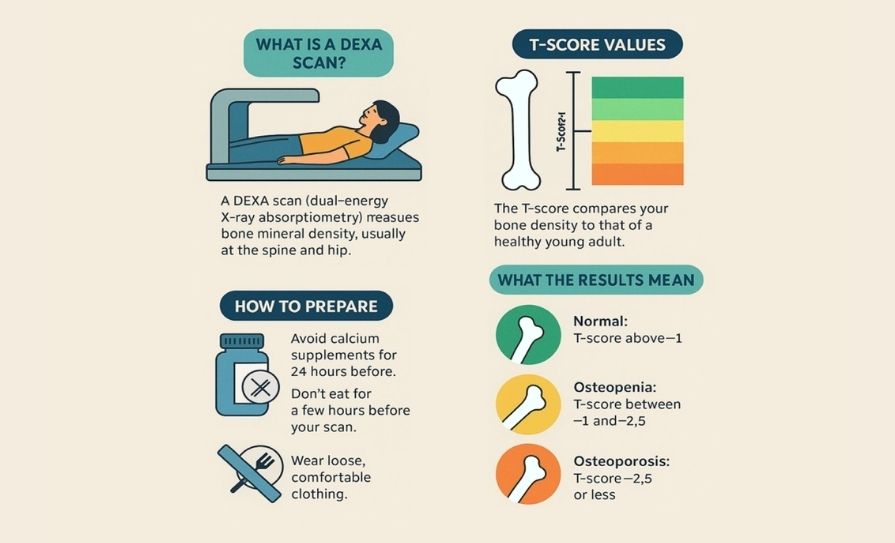
Diagnosis often only occurs after a fall or a bone fracture. Bone density is measured using a dual-energy x-ray absorptiometry (DEXA) scanner. A DEXA scan uses low energy x-rays to determine the density profile of x-rays that pass through the bone and from this information the average density of bone is determined. Osteoporosis is diagnosed when bone density is found to be significantly lower than average. DEXA scans are painless, take 10-to-20 minutes, and are the gold standard for the diagnosis of osteoporosis.
The results of the scan are available immediately or very soon after, depending on where it is done. Scan results are in the form of a T-score. A T-score value greater than -1 shows that bone density level
is normal and there is no osteoporosis. A T-score value of between -1 and -2.5 indicates osteopaenia. Osteopaenia indicates early stages of osteoporosis and is an opportunity for early interventions like modification of risk factors including diet, smoking and excessive alcohol intake to prevent osteoporosis developing. A T-score of below -2.5, meanwhile, indicates osteoporosis.
Improved GP access to osteoporosis diagnostics Ireland still does not have a national osteoporosis screening programme, meaning that bone density (DEXA) scans remain largely dependent on GP referral. While access has improved in recent years, waiting times for public patients remain variable across regions. Private DEXA services are still readily available and listed by county on the Osteoporosis Society of Ireland website, which remains the most complete public directory of scanning facilities.
Since the HSE’s 2021 direct access initiative, GPs have been able to refer public patients for a range of diagnostic tests, including DEXA scans, x-rays, CT, and MRI, in participating private hospitals, with costs covered by the HSE. The goal was to ensure urgent referrals are completed within one month, and routine cases within three months. According to HSE updates through 2024-2025, the scheme has expanded, with over 140,000 diagnostic slots now available annually. However, reports from primary care suggest regional disparities persist, with DEXA scan delays still notable in some areas.
The HSE continues to invest in this community diagnostics programme, aiming to shift more testing away from hospital settings. Future phases are expected to include broader primary care access to tests such as BNP, spirometry, echocardiography, and bone turnover markers, which may enhance early detection of osteoporosis and related conditions.
References
Health Service Executive (HSE) (2025). Osteoporosis and Bone Health Guidance. Dublin: HSE. National Institute for Health and NICE (2023). Osteoporosis: Assessment of Fracture Risk (NG226). London: NICE.
Osteoporosis Society of Ireland (OSI) (2025). Osteoporosis Facts and Statistics. Available at: www.osteoporosis.ie
Health Products Regulatory Authority (HPRA) (2025). Zoledronic Acid and Denosumab Product Updates. Dublin: HPRA.
BMJ (2023). Vit D Supplements to Prevent Falls & Fractures in Older People: Systematic &eta-analysis. BMJ, 380: e072910.
Causes
Strong healthy bones comprise of a mix of protein and minerals, including calcium and phosphorous. Bone is living tissue that is maintained and renewed by two types of cells. Osteoblast cells build up new bone, and osteoclast cells break down old bone. Up to the mid-20s, the skeleton strengthens, but from the 40s onwards, bones gradually lose their density as a natural part of ageing.
There is a genetic influence with osteoporosis, so women who have family members with the condition are more at risk. However, other factors increase the risk of osteoporosis. Oestrogen protects women from osteoporosis from puberty until the menopause. After menopause, the breakdown of bone is quicker in women as the protective effect of oestogen on the bones is gone.
Factors that increase risk of osteoporosis:
- Early menopause, especially before the age of 45.
- Hysterectomy before turning 45, especially if both ovaries are removed.
- Excessive exercise — this can reduce hormone levels so periods may stop for a prolonged time.
Other factors include:
- Age – the risk increases with age.
- Race – Caucasian or Asian patients at increased risk compared to African- Caribbean patients.
- Gender – smaller bones and less muscle mass than men put women at more risk of fractures.
- Family history of osteoporosis, particularly a history of hip fracture in a parent.
- Previous fragility fracture (fracturing a bone after only a minor accident).
- Long-term immobility (ie, confined to bed).
- Very low body mass index (less than 18.5 kg/m2).
- Excessive alcohol consumption or smoking.
- Low dietary intake of vitamin D and calcium.
Diet-related factors include:
? Being vegan: As it limits the amount of calcium and vitamin D consumed.
? Excess fibre: While fibre is healthy in the diet, more than 30 grams of fibre
per day can reduce calcium absorption. However, the association between fibre and osteoporosis is not strong and high-fibre foods like fruit and veg are good for overall health, while green leafy vegetables are a good source of calcium.
? Caffeine: Excess caffeine can increase calcium excretion. thus increasing osteoporosis risk.
Medication and disorders can increase risk including:
- Long-term use of corticosteroids.
- Long-term use of heparin.
- Aromatase inhibitors (for breast cancer treatment).
- Overactive thyroid disorders.
- Rheumatoid arthritis.
- Digestive disorders that affect nutrient absorption, such as Crohn’s disease, chronic liver disease, or coeliac disease.
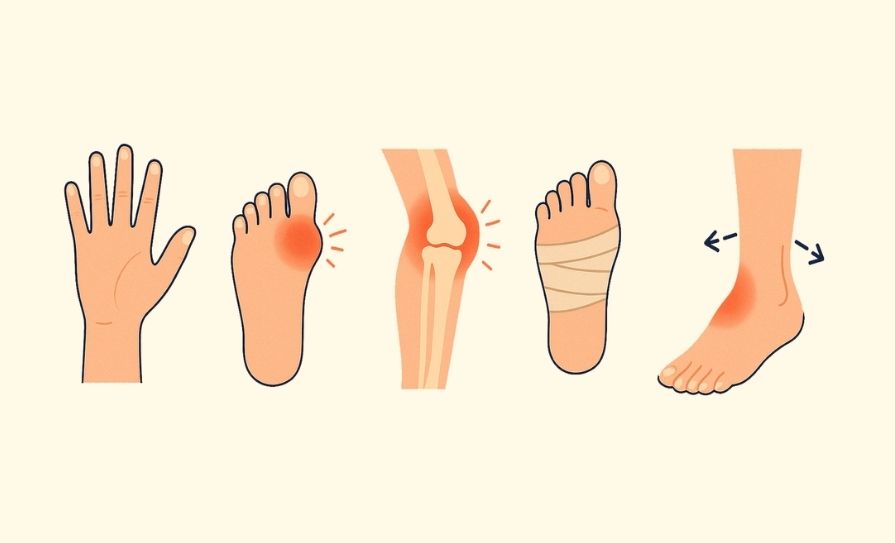
Figure 2: Physical symptoms of gout
References
National Institute for Health & Care Excellence (NICE) (2022). Gout: Diagnosis and Management (NG219). London: NICE.
Health Service Executive (HSE) (2025). Gout Management and Lifestyle Advice. Dublin: HSE. British Medical Journal (BMJ) (2023). Gout: Clinical Features, Diagnosis, and Management.
BMJ, 380: e074290.
Causes in pre-menopausal women
Oestrogen prevents osteoporosis in premenopausal women. However, there are certain medical conditions and medications that reduce oestrogen levels, causing early-onset osteoporosis. Examples include:
- Hypogonadotropic hypogonadism caused by low body weight, eating disorders, excessive exercise, hyperprolactinemia, and hypopituitarism.
- Hypergonadotropic hypogonadism (premature ovarian failure) is associated with bone loss if oestrogen is not replaced. Women with Turner syndrome (condition which occurs in less than one-in-2,500 due to abnormal X chromosome) may have an additional selective reduction in bone mineral density that is independent of oestrogen exposure.
- In premenopausal women with breast cancer, chemotherapy often results in premature ovarian failure, and as a result, oestrogen deficiency and bone loss.
Drugs associated with bone loss in premenopausal women include glucocorticoids, anticonvulsants, ie, phenytoin, antidepressants, ie, lithium and anticoagulants, ie, warfarin and heparin.
Criteria for assessing osteoporosis fracture risk The National Institute for Health and Care Excellence (NICE) recommends validated fracture risk assessment tools, such as FRAX or QFracture, to estimate
a patient’s 10-year probability of a major osteoporotic fracture (MOF) or hip fracture. The most recent guidance (NICE NG226, updated 2023) refines some risk criteria and reinforces the importance of early assessment in both men and women.
Fracture risk assessment should be considered for:
- Women aged ?65 years and men aged ?75 years, regardless of additional risk factors.
- Younger adults (women <65, men <75) if one or more risk factors are present:
? Previous fragility fracture.
? History of falls.
? Parental hip fracture.
? Low BMI (<18.5 kg/m2).
? Current or frequent recent glucocorticoid use (oral or systemic).
? High alcohol intake (>14 units/week for women; >21 units/week for men).
? Smoking.
? Conditions causing secondary osteoporosis (ie, rheumatoid arthritis, malabsorption, untreated hypogonadism). Fracture risk assessment is not routinely indicated in people under 50 years unless they have major secondary risk factors, such as:
- Premature menopause.
- Previous fragility fracture.
- Chronic or repeated corticosteroid use.
References
National Institute for Health and Care Excellence (NICE) (2023). Osteoporosis: Assessment of Frac- ture Risk (NG226). London: NICE.
Health Service Executive (HSE) (2025). Community Diagnostic Expansion Plan 2024–2025. Dublin: HSE. World Health Organisation (WHO) (2023). Assessment of Osteoporosis at the Primary Health Care Level. Geneva: WHO.
Non-pharmacological management
Non-pharmacological management includes prevention of falls and modification of risk factors including diet, smoking and excessive alcohol intake. Important measures aimed at preventing falls include attention to modifiable factors, including checking eyesight, exercise, reduced consumption of medication that alters alertness and balance, and improvement of the home environment. There is debate regarding the use of hip protectors to prevent hip fractures, with evidence casting doubt on this preventive measure.
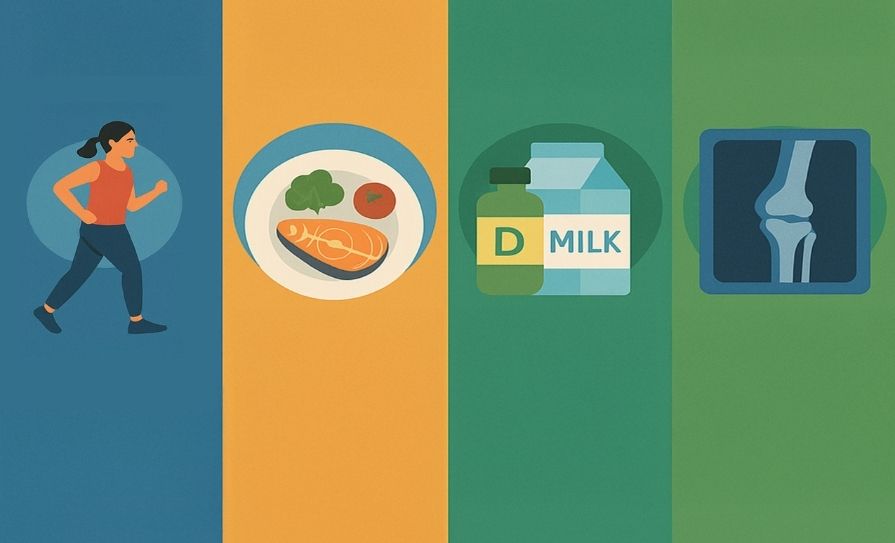
Attention to diet is important, because there is a high prevalence of calcium and vitamin D insufficiency in the elderly, particularly those with chronic conditions. Calcium helps maintain strong bones and vitamin D aids the absorption of calcium. A diet with adequate calcium (>1,200mg daily) and vitamin D (800 IU daily) is recommended for those with risk factors. Adults over 50 years often only consume 700mg calcium daily, so the use of supplements, including fortified food products, may be required.
The benefits of calcium and vitamin D supplements to maintain optimum bone density in healthy adults with normal dietary intake is limited. The reason may be the fact that most healthy adults get sufficient calcium and vitamin D from their diet. A systematic review found that the ingestion of calcium or calcium with vitamin D reduced osteoporotic fractures in men and women over 50 years by 12 per cent. They should be considered for patients in nursing/residential homes and the housebound elderly. Immobility is a major cause of bone loss.
Self-help
Osteoporosis patients need to be careful of vigorous, high-impact exercise; however, being active improves balance, co-ordination and increases muscle strength, reducing falls and bone fractures.
Beneficial exercise includes swimming, gardening, walking and golf. Eating a diet rich in calcium is important for maintaining healthy bones. Dairy products and green-leafed vegetables are good sources of calcium. Low or non-fat versions of dairy products do not have less calcium than full-fat versions. People with an intolerance of dairy can as an alternative drink orange, grapefruit, and apple juice, which are calcium-fortified and have as much calcium as milk.
The body also needs vitamin D to absorb calcium properly. Examples of food high in vitamin D include cod liver oil, oily fish such as mackerel,
Osteoporosis patients need to be careful
of vigorous, high- impact exercise
sardines and herrings, margarine, and egg yolks. Vitamin D is also produced by the skin when exposed to sunlight. The Osteoporosis Society of Ireland recommends about 20 minutes of sun exposure to the face and arms, every day during the summer, to provide enough vitamin D for the year. Avoid fizzy drinks and reduce caffeine, salt, or animal protein, as these can affect the balance of calcium in the body.
Vitamin D requirement to prevent fractures
Research has found that a daily supplement of 700-to-1,000IU of vitamin D reduces the risk of fractures from falls among older people by 19 per cent. A study published in the British Medical Journal indicated that a dose of less than 700IU per day has no effect in reducing fractures.
Risk of osteoporosis from corticosteroids
Patients on corticosteroids require preventive treatment for osteoporosis if the patient is starting oral corticosteroids and is likely to be on these for at least three months. More than three or four courses of corticosteroids taken in the previous 12 months is equivalent to more than three months of continuous treatment. Evidence supports the use of bisphosphonates as a first-line treatment.
Physiotherapy Falls Prevention Programmes
Most HSE physiotherapy departments across Ireland continue to offer Falls Prevention Programmes for patients referred by GPs or hospital consultants. Referral criteria typically include reduced mobility, a history of falls, or a fear of falling, all key risk factors for both fracture and functional decline in older adults.
These programmes are still largely modelled on the evidence-based Otago Exercise Programme, which combines progressive strength, balance, and gait training. Since 2023, several Community Specialist Teams for Older People (CSTOP) and Enhanced Community Care (ECC) networks have integrated such programmes into primary care settings, making access easier for older adults without requiring hospital attendance.
Some regions have also adopted group-based and home-based exercise models supported by chartered physiotherapists, public health nurses, and occupational therapists, often supplemented with digital or telehealth follow-up introduced during and after the Covid-19 pandemic.
Evidence from Irish pilot sites (2023–2025) indicates that these multidisciplinary fall prevention initiatives can significantly reduce falls recurrence and hospital admissions, while improving confidence and independence among participants.
HSE falls prevention policy
The core principles of the HSE’s 2008 National Strategy for Falls and Fracture Prevention in Ireland’s Ageing Population remain in place, and recent initiatives have strengthened implementation and integrated falls prevention into community and residential care programmes.
In 2023, the HSE and Department of Health reaffirmed falls prevention as a key element of Healthy Ageing and Sláintecare Integration projects, supporting early intervention and bone health assessment in primary care. Updated training resources now promote multifactorial assessment and fracture prevention, particularly for individuals at risk of major osteoporotic fractures (MOF).
Current guidance for community- dwelling older adults includes:
? Annual screening questions:
? “Have you fallen in the past year?”
? “Do you feel unsteady or have balance problems?”
? “Are you worried about falling?”
- Those with recurrent or unexplained falls, gait or balance issues, or a fear of falling, should undergo a comprehensive assessment covering: Medication review, postural hypotension, vision, foot health, and home environment.
- The role of vitamin D supplementation continues to be emphasised, with HSE and HIQA both recommending regular assessment and treatment for deficiency in long-term care residents.
- Exercise programmes incorporating strength, balance, and co-ordination remain the most evidence-based intervention. In residential and nursing care settings, HIQA inspections now routinely assess:
- Existence and implementation of a falls
Biphosphonates work by targeting osteoclast cells; osteoclasts
break down old bone
prevention policy;
- Annual Falls Risk Assessments (and reassessment following health changes); and
- Recording and review of each fall, including corrective action.
Since 2022, HIQA reports have noted improvements but also highlighted variation in fall prevention practice between facilities. Some community health networks have also begun piloting Falls and Fracture Liaison Services (FLS) to ensure that residents who experience a fracture receive post-fall osteoporosis assessment and treatment, helping close a long-standing care gap.
References
HSE (2025). Healthy Ageing Programme — Vitamin D and Calcium Guidance for Older Adults. Dublin: HSE.
NICE (2023). Osteoporosis: Assessment of Fracture Risk (NG226). London: NICE.
Medication
Bisphosphonates
Examples include alendronic acid, risedronate sodium, and ibandronic acid. They work by slowing down
bone loss. Biphosphonates work by targeting osteoclast cells; osteoclasts break down old bone. By absorbing bisphosphonates, osteoclast activity slows down, which reduces breakdown of bone.
Oral bisphosphonates are taken once weekly, apart from ibandronic acid, which is once a month. They can reduce the frequency of fractures by 50 per cent. Bisphosphonates have been studied in trials for up to 10 years, and suggest that bone quality remains normal and that reduction in fracture risk is sustained for as long as treatment continues. Bisphosphonates should be reviewed every two years. Consensus is that longer-term treatment with bisphosphonates will not cause adverse effects once the patient does not experience any of the recognised possible side-effects listed below. No difference in efficacy or safety profiles of biphosphonates in the patients aged under 65 and over 65, it has been noted.
Assessing the need to prescribe bisphosphonates Oral bisphosphonates are advised for patients with osteoporosis only if:
- The 10-year risk of a fracture is at least 1 per cent.
An intravenous bisphosphonate available in Ireland is zoledronic acid (Aclasta). Advised for:
- The 10-year risk of fracture is at least 10 per cent or
- The 10-year risk of fracture is at least 1 per cent and the patient is contraindicated or cannot tolerate oral bisphosphonates such as alendronic acid, risedronate sodium or ibandronic acid.
Zoledronic acid (Aclasta 5mg/100ml) is administered once a year by an intravenous (IV) infusion. Infusions take about 15 minutes and are undertaken under specialist supervision. Zoledronic acid is 100-to-1,000 times’ potency of other bisphosphonates such as alendronate and risedronate. IV infusion ibandronic acid is licensed in UK and other countries but not available in Ireland.
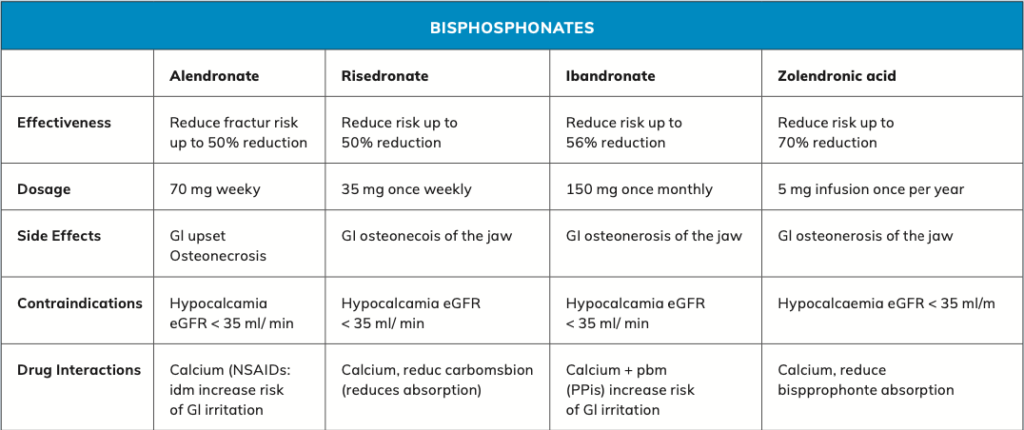
Table 1: Bisphosphonates summary
References
National Institute for Health and Care Excellence (NICE) (2017, reaffirmed 2024). Bisphosphonates for Treating Osteoporosis (TA464). London: NICE. Health Service Executive (HSE) (2025). Osteoporosis and Bone Health Guidance. Dublin: HSE.
The Lancet (2024). Compston, J.E., McClung, M.R. & Leslie, W.D. Osteoporosis: Advances in Pathophysiology and Treatment.
The Lancet, 403(10399), pp. 364–376.
Bioavailability, tolerability, and side-effects of oral bisphosphonates
The oral bioavailability of bisphosphonates is low and impaired by
food. Oral formulations must be taken fasting, sitting upright with a full glass of water, followed by no food for up to one hour. Patients are asked to sit upright to reduce the gastrointestinal effects such as oesophageal irritation. Compliance with treatment is a problem, particularly in view of these requirements.
Common side-effects (over one-in-100) of bisphosphonates are:
- Gastrointestinal side-effects including non-ulcer dyspepsia.
- Muscle, joint or back pain and stiffness.
- Headache.
- Tiredness.
Less-common side-effects of bisphosphonates include:
- Oesophagitis.
- Oesophageal strictures (narrowing of oesophagus).
- Gastric and duodenal ulcers.
- An unusual fracture of the thigh bone (very rare).
- Fracture of the jaw or ear bones (more details below).
Bisphosphonates are contraindicated in the presence of abnormalities of
the oesophagus, and hypocalcaemia. Alendronates in tablet form should not
be crushed, as this increases risk of oesophageal irritation. For patients with slow or poor swallow, alendronic acid 70mg/100ml liquid form does not cause oesophageal irritation; however, the same precautions such as sitting upright after taking and not eating for an hour after taking still hold true for the liquid version.
Risk of ONJ
There have been reports of osteonecrosis of the jaw (ONJ), particularly with IV formulations given in high doses for metastatic bone disease. ONJ is a condition where the jaw breaks. The prevalence of ONJ with bisphosphonates is about one-in-100,000 patient-years, which is similar to the prevalence in the overall population. Patients who develop sudden pain in the jaw while on bisphosphonates, especially IV versions, should report to their doctor, as this can be a sign of ONJ. Patients prescribed the IV infusion forms of bisphosphonates can experience flu-like symptoms for a few days after the infusion, especially after their first infusion.
Other indications of zoledronic acid I/V infusion
In addition to osteoporosis, zoledronic acid I/V infusion is indicated for Paget’s disease and metastatic bone disease (cancer that has spread to the bones).
Paget’s disease is a bone disease of unknown aetiology that causes interference with the bone’s normal recycling process, meaning interference of the process where new bone tissue gradually replaces old bone tissue. Paget’s disease causes fragile and misshapen bones over time, with the legs, pelvis, skull, and spine being most affected.
Bone metastasis is when cancer cells spread (metastasise) from the original site of cancer (ie, breast, prostate) to the bone. The dose of zoledronic acid is higher (ie, given more regularly) for metastatic bone disease compared to its dose for osteoporosis. For osteoporosis, the dose is 5mg/100mg infusion once a year. Aclasta 5mg/100ml infusion is licensed for osteoporosis and Paget’s disease but not for metastatic bone disease. For metastatic bone disease, the dose is 4mg/100mg infusion once every three-to- four weeks.
In Ireland, several zoledronic acid 4mg/100mL infusions are HPRA- licensed for use in bone metastases and osteoporosis. These include the original brand Zometa (Novartis) and multiple generic versions marketed by Mylan (Viatris), Accord, Teva, Actavis, and others, all available through the High-Tech Arrangement for approved indications.
The dosage and indication determine safety profile and monitoring requirements.
- In osteoporosis, zoledronic acid is typically given as Reclast/Aclasta (5mg once yearly), a lower-dose regimen associated with a reduced risk of adverse effects.
- In oncology settings (ie, metastatic bone disease, multiple myeloma), zoledronic acid 4mg/100mL is administered every three-to-four weeks, and this more frequent dosing carries an increased risk of ONJ and renal toxicity.
Both NICE and the HPRA continue to emphasise:
- Dental examination prior to treatment, particularly in cancer indications.
- Adequate hydration before infusion.
- Monitoring renal function and calcium/ vitamin D levels before each dose.
Ongoing pharmacovigilance reports (2024-2025) reaffirm that while
Paget’s disease is a bone disease of unknown aetiology that causes interference with the bone’s normal recycling process
zoledronic acid remains a cornerstone of fracture and skeletal event prevention, awareness of ONJ risk and cumulative dosing effects is crucial, particularly when switching between oncology and osteoporosis regimens.
For metastatic bone disease, zoledronic acid is used to:
- Increase bone density and reduce pain caused by myeloma (cancer of bone marrow) or metastatic bone disease.
- Reduce raised calcium levels caused by some forms of metastatic bone disease.
- Protect the bones from the effects (like reducing bone density) of cancer treatments, like aromatase inhibitors used for some breast cancers.
- Adjuvant treatment to reduce risk of recurring cancer. There is early evidence that zoledronic acid has anti-tumour effects in post-menopausal women with breast cancer. Anti-tumour effects mean reducing the risk of tumours developing, growing, and spreading. However, more research is needed to prove this and to determine if it is also true for other cancers.
Denosumab
Denosumab (ie, Prolia) is an alternative option if the patient is intolerant of oral bisphosphonates, or they are otherwise unsuitable. It is given by six-monthly subcutaneous injections. Denosumab is a monoclonal antibody that works by slowing the natural rate bones break down. Denosumab works by inhibiting the cytokine RANKL (receptor activator of NF-B ligand). RANKL is an essential factor promoting bone turnover. Denosumab inhibition of RANKL blocks osteoclast maturation, function, and survival, thus reducing bone resorption so increasing bone density.
Patients should take adequate calcium and vitamin D while on denosumab as it can lower calcium levels and hypocalcaemia should be avoided.
Side effects include:
Skin infections.
Hypocalcaemia which can lead to:*
? Numbness or tingling in extremities including fingers, toes and around he mouth.
? Muscle cramps, spasms, and twitches. *Hence calcium supplementation with Denosumab is important
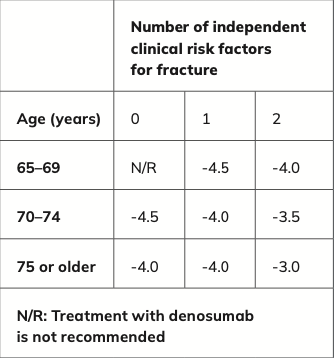
Denosumab is a treatment option for the primary prevention of fractures in postmenopausal women (diagnosed with osteoporosis) at increased risk of fractures who:
- Find difficulty complying with the specific instructions for administering oral bisphosphonates (hour before food, sit or stand for period after taking) or oral bisphosphonates are contraindicated or not tolerated; and
- Have a combination of T-score, age, and number of independent clinical risk factors for fracture as indicated in Table 2. Independent clinical risk factors for fracture include:
- Parental history of hip fracture.
- Alcohol intake more than four units per day.
- Rheumatoid arthritis.
Xgeva is a higher-strength Denosumab preparation (ie, Denosumab 120mg) that is licensed for the prevention of skeletal related events (pathological fracture, radiation to bone, spinal cord compression or surgery to bone) in adults with advanced cancers involving the bone. The dose is 120mg by subcutaneous injection every four weeks but there may be additional doses over the first four weeks for some bone cancers, ie, giant cell tumour of bone. Unlike Prolia, Xgeva is available via the Hi-Tech scheme.
Parathyroid hormone peptides
Teriparatide is the only osteoporosis drug in this class, and brands include Forsteo, Movymia and Sondelbay. They are available via the Hi-Tech scheme. The HSE’s Medicines Management Programme (MMP) in Ireland has identified the ‘best-value medicines’ (BVMs) for teriparatide as Movymia and Sondelbay. From 1 March 2023, new patients on teriparatide must start one of those.
Teriparatide works through the fact it is similar to parathyroid hormone; this hormone helps to regulate calcium levels and the activity of cells involved in bone formation. It is a subcutaneous injection (usually into side of stomach); directions are one 20mcg injection daily. It should be used for a maximum of two years; the full two-year course should be completed to obtain best clinical outcome, and it should not be prescribed again over the patient’s lifetime. After stopping, an alternative osteoporosis treatment may be considered.
A trained nurse from the manufacturer can give training in the patient’s home initially for free. Trials show it reduces fractures by average of 41 per cent. It is only used if a patient cannot tolerate other treatments.
The most common adverse effects are nausea, limb pain, headache, and dizziness. Contraindications include severe renal impairment, pre-existing hypercalcaemia and metabolic bone disease other than primary osteoporosis. Patients prescribed teriparatide are usually prescribed a calcium and vitamin D supplement.
Teriparatide is held in reserve for women post-menopause with severe osteoporosis with very high fracture risk, particularly vertebral fractures. In postmenopausal women, the criteria for selecting teriparatide over bisphosphonates is one severe or two moderate low-trauma fractures.
Teriparatide is a treatment option for the primary prevention of fractures only in postmenopausal women (diagnosed with osteoporosis) at increased risk of fractures who:
- Find difficulty complying with the specific instructions for administering oral bisphosphonates (hour before food, sit or stand for period after taking) or if oral bisphosphonates are contraindicated or not tolerated (ie, persistent upper gastrointestinal disturbance); and
- Are over 65 years with a T-score of -4.0 or below, or a T-score of -3.5 or below plus two or more fractures, or who are aged 55 to 64 years with a T-score of -4 or less plus two or fractures.
Selective oestrogen receptor modulator Ie, Raloxifene. This is a synthetic hormone that mimics the effect of oestrogen on the bones. The dose is raloxifene 60mg daily. It reduces risk of fractures by approx 47 per cent. There have been no studies to show the effect of raloxifene for more than five years. However, according to the manufacturer, there is no minimum time that raloxifene can be used once an improvement is seen.
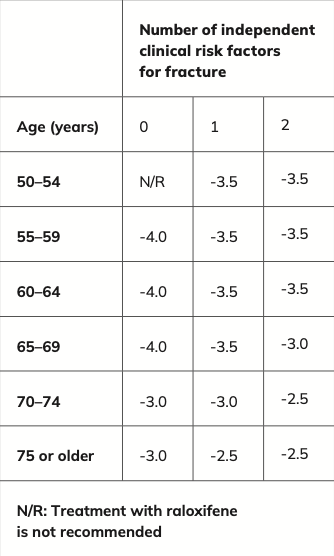
According to NICE guidelines, Raloxifene is an alternative treatment option for the primary prevention of fractures only in postmenopausal women (diagnosed with osteoporosis) at increased risk of fractures who fulfill the criteria below and in Table 2.
Independent clinical risk factors for fracture include:
- Find difficulty complying with the specific instructions for administering oral bisphosphonates (hour before food, sit or stand for period after taking) or oral bisphosphonates are contraindicated or not tolerated (ie, persistent upper gastrointestinal disturbance); and
- Have a combination of T-score, age, and number of independent clinical risk factors for fracture as indicated in Table 3.
Raloxifene has been associated with an increased risk of venous thrombosis similar to that for hormone therapy (HRT), and with exacerbation of hot flushes. An increased risk of death due to stroke has been reported with raloxifene, and it should be used with caution in women with a history of, or risk factors for, stroke. It is contraindicated in women with child-bearing potential, history of venous thromboembolism (VTE) or unexplained uterine bleeding, hepatic impairment, and severe renal impairment.
Hormone replacement therapy (HRT)
HRT is considered for use less often nowadays due to increased cancer risk. HRT relieves symptoms of menopause by restoring hormones to a premenopausal level. HRT reduces osteoporosis risk because of oestrogen. The use of HRT for osteoporosis prevention is restricted to short-term use for younger post- menopausal women with menopausal symptoms at high risk of fracture.
Strontium ranelate (Now discontinued) Ie, Protelos was a drug in sachet form that could be prescribed if a patient could not take bisphosphonates. It stimulated new bone to grow and reduced bone loss. However, it was discontinued by the manufacturer in 2018 due to lack of demand.
First new osteoporosis drug in over 10 years
Romosozumab
Romosozumab (Evenity 105mg Subcutaneous Injection) is a new monoclonal antibody treatment option for severe osteoporosis and is the first new osteoporosis drug to come to market in over 10 years.
Romosozumab (brand name Evenity) received FDA approval in the US and EU authorisation by the European Medicines Agency in 2019. Romosozumab underwent a cost- benefit analysis, as is normal for any new medication by the National Centre for Pharmacoeconomics (NCPE Ireland) on behalf of the HSE. In March 2023, after two years of analysis, the NCPE approved Romosozumab (Evenity), meaning it could become available for Irish patients under certain criteria.
The NCPE recommended “romosozumab (Evenity) for the treatment of women who are postmenopausal
with severe osteoporosis who have experienced a Major Osteoporotic Fracture (MOF) including hip, vertebrae, distal radius and proximal humerus, within the previous 24 months and who are at imminent risk of another fragility fracture and if cost-effectiveness can be improved relative to existing treatments.”
HRT is considered for use less often nowadays due to increased cancer risk
Romosozumab (Evenity) added to High Tech Scheme Resulting from the NCPE decision above, from November 2024, romosozumab (Evenity) became reimbursable under Ireland’s High-Tech Arrangement for severe osteoporosis. Access is governed by a Managed Access Protocol (MAP), which sets out strict clinical and administrative criteria for use. Only HSE-approved consultants registered with the Irish Medical Council in relevant specialties, such as endocrinology, gerontology, or rheumatology, may apply for reimbursement. Each eligible consultant must submit individual applications for approval on behalf of their patients.
How does it work?
Romosozumab works by inhibiting sclerostin, so increasing bone formation and decreasing bone resorption. It is reserved for use in postmenopausal women with severe osteoporosis, meaning they are at high risk of fracture, previously experienced a fracture and are at imminent risk of another within
24 months, and in patients who are intolerant to other treatments or when other treatments have failed. While not directly compared to denosumab yet, it appears to be as effective as denosumab in preventing fractures and there are early indications it may be more effective than denosumab in preventing non-spinal fractures, including hip fractures.
In postmenopausal women, criteria for selecting romosozumab over bisphosphonates is one severe or two moderate low-trauma fractures, ie, same criteria as teriparatide. The recommended dose of romosozumab is 210mg (administered as two subcutaneous injections of 105mg) once monthly for 12 months. After 12 months, it can be followed with alternative osteoporosis treatment such as denosumab or a bisphosphonate to allow continued protection, as its benefits wear off quickly after stopping.
Contraindications of romosozumab:
- History of stroke or heart attack.
- Hypocalcaemia: Adequate intake of calcium and vitamin D before commencing romosozumab is advised as romosozumab can rarely cause a significant drop in calcium levels.
- Pregnancy or breast feeding: While it is only licensed for women post- menopause it may be prescribed by specialists for women pre-menopause.
Osteoporosis in men
Oral bisphosphonates alendronic acid and risedronate sodium are recommended first-line treatments for osteoporosis in men. Zoledronic acid or denosumab are alternatives in men intolerant of oral bisphosphonates or are otherwise unsuitable. Teriparatide is an additional alternative option for men.
Men undergoing androgen-blocking therapy for prostate cancer have increased risk of fracture, and a bisphosphonate can be offered to these male patients with confirmed osteoporosis and where fracture risk is present. Denosumab may be considered as an alternative for these patients where bisphosphonates are unsuitable or not tolerated.
Disclaimer: Brands mentioned are meant as examples only and not meant as preference to other brands.
Written by Eamonn Brady MPSI (Pharmacist). Whelehans Pharmacies, 38 Pearse St and Clonmore, Mullingar. Tel 04493 34591 (Pearse St) or 04493 10266 (Clonmore). www.whelehans.ie. Eamonn specialises in the supply of medicines and training needs of nursing homes throughout Ireland. Email info@whelehans.ie
References
1. Health Service Executive (HSE) (2008). Na- tional Strategy for Falls and Fracture Prevention in Ireland’s Ageing Population. Dublin: HSE.
2. Health Service Executive (HSE). (2025) Com- munity Diagnostic Expansion Plan 2024–2025. Dublin: HSE.
3. Osteoporosis Society of Ireland (OSI). (2025) Osteoporosis Facts and Statistics. Available
at: https://www.osteoporosis.ie (Accessed: October 2025).
4. National Institute for Health and Care Excel- lence (NICE) (2023). Osteoporosis: Assessment of Fracture Risk (NG226). London: NICE.
5. National Institute for Health and Care Excellence (NICE). (2017) Bisphosphonates for Treating Osteoporosis (TA464). London: NICE.
6. National Institute for Health and Care Excellence (NICE) (2018, reaffirmed 2024). Raloxifene and Teriparatide for the Secondary Prevention of Osteoporotic Fractures (TA161). London: NICE.
7. Health Service Executive (HSE) Medicines Management Programme (MMP) (2023). Best Value Medicines for Teriparatide (Movymia and Sondelbay). Dublin: HSE.
8. Health Products Regulatory Authority (HPRA). (2025) Zoledronic Acid — Product Au- thorisations and Safety Updates. Available at: https://www.hpra.ie (Accessed: October 2025).
9. Amgen Ltd (2024). Evenity (Romosozumab) Summary of Product Characteristics. HPRA Medicines.ie.
10. National Centre for Pharmacoeconomics (NCPE) (2023). Romosozumab (Evenity) for Severe Osteoporosis — Cost-Effectiveness Evaluation. Dublin: NCPE.
11. European Medicines Agency (EMA) (2019). Assessment Report: Romosozumab (Evenity). EMA/CHMP/23456/2019.
12. Health Service Executive (HSE) (2024). High Tech Arrangement — Managed Access Protocol for Romosozumab (Evenity). Dublin: HSE.
13. Health Service Executive (HSE) (2025). Falls and Fracture Liaison Services Pilot Evaluation 2025. Dublin: HSE Healthy Ageing Programme.
14. Health Information and Quality Authority (HIQA) (2025). Older People’s Services In- spection Reports 2024–2025: Falls Prevention Findings. Dublin: HIQA.
15. Health Service Executive (HSE) (2024). En- hanced Community Care (ECC) and Community Specialist Teams for Older People Implementa- tion Progress Report. Dublin: HSE.
16. European Medicines Agency (EMA) Phar- macovigilance Risk Assessment Committee (PRAC). (2024) Bisphosphonate Safety and Efficacy Review. EMA, London.
17. National Institute for Health and Care Excellence (NICE) (2022). Denosumab for the Prevention of Osteoporotic Fractures (TA204). London: NICE.
18. Health Products Regulatory Authority (HPRA) (2025). Denosumab (Prolia, Xgeva) Product Authorisations and Safety Commu- nications. Available at: https://www.hpra.ie (Accessed: October 2025).
19. European Commission (EC) (2025). Denos- umab (Vevzuo, Osenvelt, Bomyntra) Biosimilars — EU Positive Opinions. Brussels: EC Medicinal Products Register.
20. British Medical Journal (BMJ) (2023). Vita- min D Supplementation to Prevent Falls and Fractures in Older People: Systematic Review and Meta-analysis’, BMJ, 380, p. e072910.
21. Black DM et al (2023). ‘Long-Term Bisphos- phonate Therapy and Fracture Risk: 10-Year Follow-up of the FLEX Trial’, Journal of Bone and Mineral Research, 38(4), pp. 721–731.
22. Compston JE, McClung MR and Leslie WD (2024). ‘Osteoporosis’, The Lancet, 403(10399), pp. 364–376.
23. Health Service Executive (HSE) (2024). Healthy Ageing Programme — Vitamin D and Calcium Guidance for Older Adults. Dublin: HSE.
24. Health Information and Quality Authority (HIQA) (2024). Standards for Older People’s Services — Falls and Fracture Prevention Moni- toring. Dublin: HIQA.
25. World Health Organisation (WHO) (2023). Assessment of Osteoporosis at the Primary Health Care Level. Geneva: WHO.