Damien O’Brien MPSI synopsises pharmacological and Inon-pharmacological options for mental health problems
Introduction
Mental health is a state of wellbeing in which an individual realises their abilities, can cope with the normal stresses of life, and can contribute to their community. It is not merely the absence of mental disorder, but a positive sense of emotional functioning that is crucial to overall health. Individuals exposed to challenging circumstances, including poverty, disability and inequality, are at higher risk of developing a mental health disorder.
In Ireland, mental health disorders represent a significant and persistent public health challenge. Ireland ranks among the
highest in Europe for the prevalence of mental health conditions, with anxiety, wellbeing in which an individual depression, insomnia, alcohol-related problems and bipolar disorder among the most common.
Despite increased awareness and discussion in recent years, mental health continues to carry a social stigma, which remains a significant barrier to seeking help and engaging with care. Provision
of mental health services also faces structural challenges, with demand often exceeding available resources. Within this difficult landscape, pharmacists have an important position as accessible healthcare professionals who can identify issues, support medication adherence and promote mental wellbeing as part of a patient-centered approach. This article explores the pharmacological treatment of mental illness, the importance of non- pharmacological interventions and the contribution of pharmacists to mental health support.
Pharmacological treatment
Pharmacological therapy remains the cornerstone of management for many mental health disorders. Medication can help restore function, stabilise mood and reduce the risk of relapse for many patients. However, pharmacological treatment requires careful selection, ongoing monitoring and effective communication to ensure safety and sustained benefit. Some of the most common classes of medications used in mental health include antidepressants, anxiolytics, hypnotics, antipsychotics and mood stabilisers.
Antidepressants
Antidepressants are a cornerstone in the management of mood and anxiety disorders. They are used for a wide variety of conditions, including major depressive disorder, generalised anxiety disorder, panic disorder, obsessive compulsive disorder (OCD), post- traumatic stress disorder (PTSD) and certain chronic pain syndromes.
Selective serotonin reuptake inhibitors (SSRIs), such as sertraline, escitalopram, fluoxetine, paroxetine and citalopram, are often considered first-line therapy for depression and anxiety disorders due to their efficacy and relatively favourable adverse effect profile. They work by inhibiting the reuptake of serotonin, thereby increasing serotonin activity. Clinical improvement may take up to six weeks.
They are generally well tolerated, with common adverse effects including gastrointestinal disturbance, headache, insomnia and sexual dysfunction. Serotonin syndrome is uncommon but remains a serious risk when combined with other serotonergic agents.
Serotonin–noradrenaline reuptake inhibitors (SNRIs), such as venlafaxine and duloxetine, are indicated for major depressive disorder, anxiety disorders and certain pain syndromes. They act by enhancing both serotonin and noradrenaline transmission. Therapeutic response may take up to six weeks. Adverse effects are similar to those of SSRIs but may include dose-related increases in blood pressure and discontinuation symptoms if doses are missed or treatment is stopped abruptly.
Tricyclic antidepressants (TCAs), such as amitriptyline and nortriptyline, may be effective but are now typically reserved for refractory depression, neuropathic pain and migraine prophylaxis due to their anticholinergic and cardiotoxic effects. Adverse effects include dry mouth, constipation, urinary retention, blurred vision, sedation, weight gain and QT prolongation. Mirtazapine, an atypical antidepressant with noradrenergic and specific serotonergic activity, may be particularly useful where sedation or weight gain is beneficial.
Anxiolytics and hypnotics
Benzodiazepines, including alprazolam, diazepam, lorazepam and temazepam, act by enhancing the effect of the inhibitory neurotransmitter gamma- aminobutyric acid (GABA), producing anxiolytic, hypnotic, anticonvulsant and muscle-relaxant effects. They may be indicated for the short-term relief of anxiety, panic, insomnia and alcohol withdrawal. However, use should be restricted to short-term or intermittent therapy due to their adverse effect profile. Common adverse effects include sedation, impaired co-ordination, confusion and reduced concentration. Tolerance can develop within weeks, and abrupt discontinuation after prolonged use may cause anxiety, insomnia or seizures. Long- term use is associated with dependence, falls and cognitive decline.
Non-benzodiazepine hypnotics (the Z-drugs), such as zopiclone and zolpidem, also act at the GABA receptor. They produce hypnotic effects with less muscle relaxation and anticonvulsant activity. They are indicated for short- term treatment of insomnia. Z-drugs share similar risks of tolerance and dependence as benzodiazepines. Adverse effects may include daytime drowsiness, dizziness, amnesia and taste disturbance.
Melatonin, an endogenous hormone that regulates the circadian rhythm, may be considered for the management of insomnia, particularly in older adults where endogenous secretion is reduced. It offers a more favourable safety profile, with lower risk of dependence or residual sedation, although its efficacy is modest compared with traditional hypnotics. Melatonin is generally well tolerated, with possible adverse effects including headache, dizziness and mild gastrointestinal upset.
Antipsychotics
Antipsychotic medicines are important in the treatment of schizophrenia and related psychotic disorders. All antipsychotics share a mechanism of dopamine receptor antagonism in mesolimbic pathways, which reduces symptoms such as hallucinations and delusions.
Typical, or first-generation antipsychotics, work primarily through dopaminergic antagonism to control acute psychosis and agitation. Examples include haloperidol, trifluoperazine, flupentixol and zuclopenthixol. However, these agents are associated with a higher risk of extrapyramidal adverse effects such as dystonia, Parkinsonism, akathisia and tardive dyskinesia. Sedation, anticholinergic effects and hypotension are also common.
Newer atypical antipsychotics modulate serotonin 5-HT2A receptors as well, balancing dopaminergic effects and improving tolerability. These agents, such as olanzapine, risperidone, quetiapine, clozapine, paliperidone and aripiprazole, have largely replaced typical agents as first-line therapy. They can effectively control positive and, to some extent, negative symptoms, with a lower risk of motor side-effects.
However, atypical antipsychotics carry significant metabolic adverse effects, including weight gain, hyperlipidaemia and insulin resistance. They may also cause significant sedation. Clozapine is typically reserved for treatment-resistant schizophrenia; however, it requires strict haematological monitoring due to the risk of agranulocytosis.
Mood stabilisers
Mood stabilisers are primarily used in the management of bipolar disorder to control acute manic or depressive episodes. They may also have a role as adjunctive therapy in schizoaffective disorder, recurrent depression and certain personality disorders.
Lithium remains one of the most effective mood stabilisers, reducing the frequency and intensity of manic and depressive episodes. Its precise mechanism of action is not fully understood but is thought to involve modulation of intracellular signalling pathways, neurotransmitter release and neuroprotective effects. Lithium has a narrow therapeutic index and therefore requires regular serum monitoring to
avoid toxicity. Baseline and ongoing assessment of renal and thyroid function are essential due to potential long-term adverse effects. Common adverse effects include thirst, polyuria, tremor, weight gain and gastrointestinal disturbances. Toxicity may present with coarse tremor, ataxia, confusion, vomiting or seizures, which can be precipitated by dehydration, renal impairment or drug interactions.
Certain anticonvulsants also possess mood-stabilising properties and may be used as alternatives or adjuncts to lithium. Valproate acts primarily by increasing GABA activity and modulating sodium and calcium channels. Adverse effects may include weight gain, tremor, sedation and gastrointestinal upset. It is teratogenic and contraindicated in women of childbearing potential unless strict conditions of the Pregnancy Prevention Programme are met.
Carbamazepine stabilises mood by blocking voltage-gated sodium channels and reducing excitatory neurotransmission, but it has significant potential for drug interactions. Common adverse effects include dizziness, ataxia and hyponatraemia. Lamotrigine may also be used as a mood stabiliser, acting by inhibiting voltage-sensitive sodium channels and reducing glutamate release. It is generally well tolerated, with adverse effects including headache, nausea, dizziness and rash.
Pharmacological considerations
The safe and effective use of psychotropic medication requires careful consideration of individual patient factors and close monitoring of medication adherence. Non- adherence remains a significant barrier to effective treatment, often resulting in relapse, hospitalisation and poorer clinical outcomes.
Pharmacological treatment should be tailored to the individual’s diagnosis, symptoms and comorbidities. Sedating drugs may be beneficial in patients with comorbid insomnia. Factors such as age, renal
and hepatic function, previous treatment response and potential adverse effects should guide drug selection. Certain patient groups require particular caution when initiating psychotropic medicines. Older adults are more susceptible to sedation, orthostatic hypotension and anticholinergic adverse effects. In women of childbearing potential, medications such as valproate pose significant teratogenic risks and should be avoided unless absolutely necessary.
During pregnancy, treatment decisions should balance maternal mental health stability against potential foetal risks. A patient-centered approach that considers individual needs and preferences can improve outcomes.
Regular monitoring and review are essential to ensure medicines remain effective and well tolerated. Depending on the medication, routine monitoring of body weight, blood pressure and metabolic profile should be encouraged. Specific monitoring is required for several psychotropic medications. For example, lithium requires regular serum level checks due its narrow therapeutic index, alongside renal and thyroid function tests. Valproate and carbamazepine require liver function and haematological monitoring, while clozapine necessitates ongoing white blood cell counts to mitigate the risk of agranulocytosis. Adverse effects should be identified early and managed proactively to prevent discontinuation or complications.
Drug interactions and polypharmacy are important considerations in the pharmacological management of mental illness. Many patients take multiple medications, increasing the risk of drug– drug interactions. Combining serotonergic agents may precipitate serotonin syndrome, while concurrent use of central nervous system (CNS) depressants can potentiate sedation.
Non-pharmacological treatment
Non-pharmacological approaches play a vital role in the management of mental health disorders and are often used alongside medication to optimise
outcomes. Cognitive Behavioural Therapy (CBT) is frequently employed as a first-line intervention for mild-to-moderate conditions and can enhance pharmacological treatment in more severe illness.
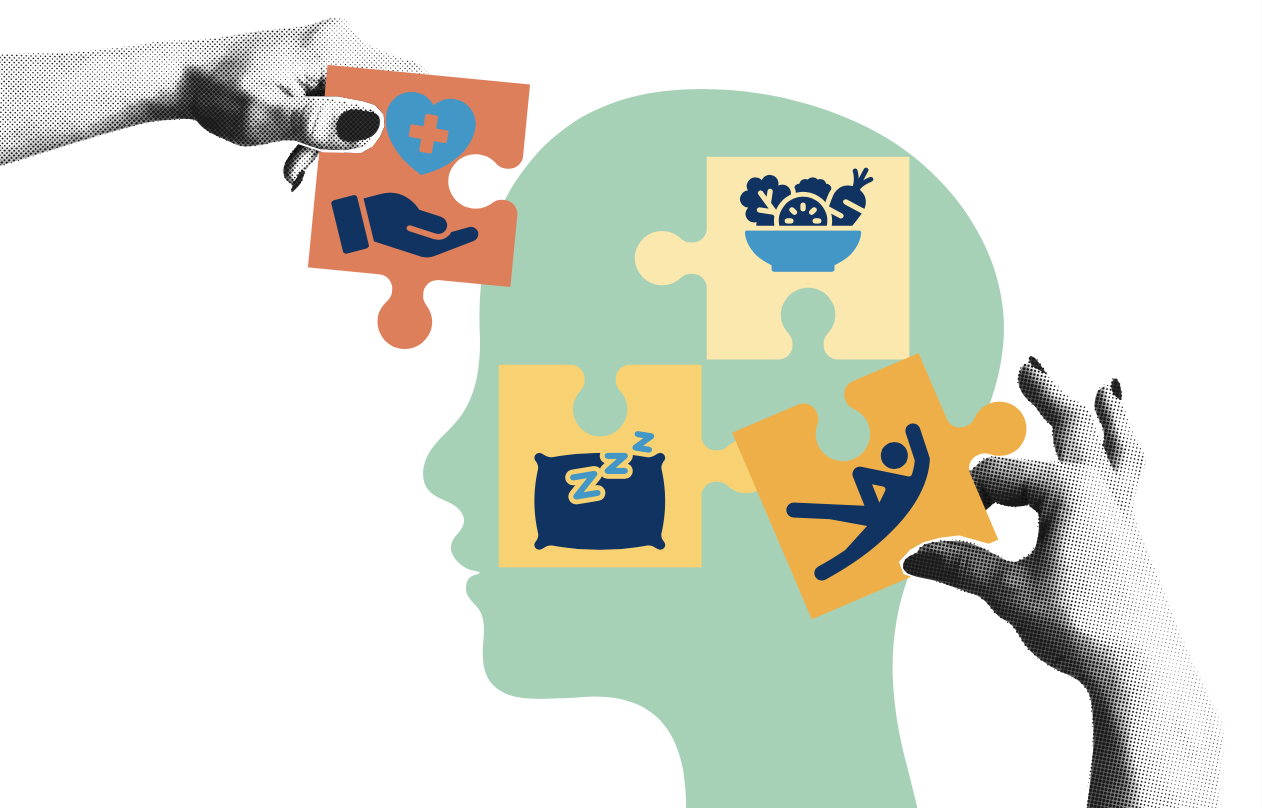
Lifestyle interventions, including regular physical activity, balanced nutrition, good sleep hygiene and limiting alcohol intake, are associated with improved mood stability and overall wellbeing.
Mindfulness, meditation and relaxation techniques can also reduce anxiety and stress. Psychoeducation for patients and families improves understanding of the condition and fosters adherence. Social engagement and support networks are equally important in reducing isolation and preventing relapse. A treatment plan combining pharmacological and non- pharmacological strategies offers the best opportunity for achieving sustainable clinical improvement.
Role of the pharmacist
Mental health care requires a multifaceted approach integrating pharmacological treatment, psychological support and patient-centered care. Pharmacists play a key role in supporting patients with mental health conditions through their accessibility, medication expertise and continuity of care. As front-line healthcare professionals, pharmacists are well positioned to identify signs of mental distress, address medication concerns and encourage individuals to seek appropriate help. Therapeutic outcomes can be optimised through effective counselling on medication use, adverse effects and adherence. Pharmacists also monitor for potential drug interactions and communicate with prescribers when intervention is required. Importantly, they contribute to reducing stigma by engaging patients in open, non-judgemental discussions about mental health.
Through their expertise and accessibility, pharmacists can significantly enhance multidisciplinary efforts to improve mental health outcomes and overall wellbeing within the community.
References available on request