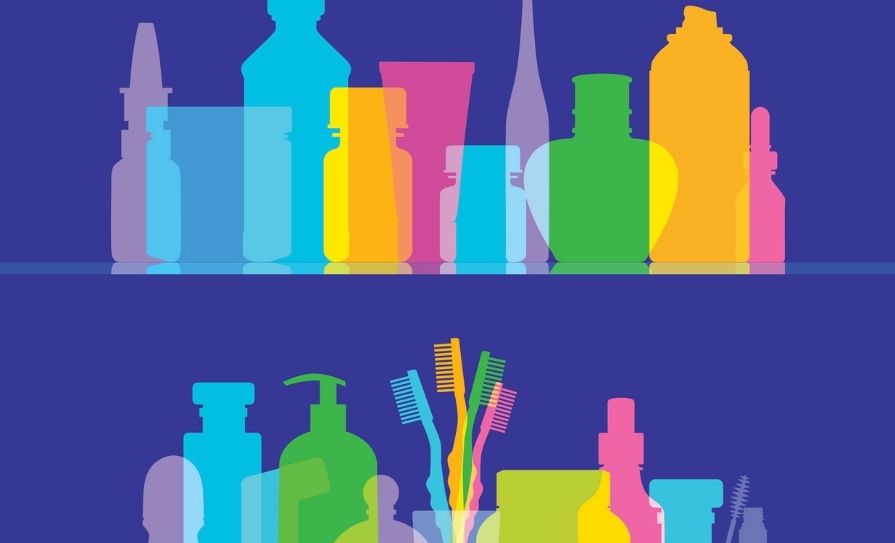
New Health Products Regulatory Authority (HPRA) research reveals that the majority of Irish adults continue to use cosmetic products beyond their expiry date or recommended shelf life.
According to its national survey, six- in-10 (60 per cent) people are willing to disregard expiry dates or the ‘open jar’ symbol — an oversight that may pose health risks. The findings also highlight a significant gap in consumer understanding of cosmetic product labelling, with just four-in-10 (41 per cent) aware of the ‘open jar’ symbol. This symbol indicates the timeframe after opening during which the product remains safe to use. After this time, it may begin to degrade and pose a risk to consumers. The HPRA warns that using expired cosmetics can reduce their effectiveness and, in some cases, increase the risk of irritation or other adverse reactions.
“Cosmetics are a staple in many people’s daily routines, with half of adults (49 per cent) using four or more products each day. When used as intended, cosmetics are generally very safe,” said Lisa Byrne, Cosmetic Product Manager at HPRA. “However, our research reveals a clear gap in consumer understanding and awareness on product shelf-life and a tendency to overlook expiry guidance.” The research also found:
?More than a quarter (28 per cent) of respondents have purchased what they suspected were counterfeit cosmetics. Of these, four-in-10 made their purchase online.
?Over one-in-three (35 per cent) Irish adults reported experiencing a side-effect from cosmetic products, most commonly skin irritation or rashes.
?Reports of side-effects increased to 41 per cent among those willing to use cosmetic products beyond expiry and use-by dates, and to 54 per cent among those who may have purchased counterfeit products.
?Consumers were far more likely to ‘always’ review instructions (37 per cent) and ingredients (30 per cent) on labels than to check period after opening/best- before dates (23 per cent).
?When deciding which cosmetic products to purchase, value for money was the most important factor (32 per cent), followed by the product’s benefits (15 per cent) and brand (15 per cent).
Ms Byrne states that using products beyond their recommended use period can compromise both quality and safety. “Ingredients can degrade or become contaminated, especially if exposed to light, air and bacteria. This can lead to chemical changes or the growth of harmful microbes, which may make the product unsafe for use. For example, over time the active ingredients in sunscreen, UV filters, may lose potency or efficacy, reducing its effectiveness to protect our skin from sun damage. We urge consumers to pay close attention to expiry dates and the ‘open jar’ symbol on all cosmetic labels, and to responsibly discard products that have exceeded their safe-use period.”
While one-in-three respondents say they have experienced a suspected side-effect when using a cosmetic, our research shows this is more likely to happen among those who purchased cosmetics from unverified or unreputable sources and among those who do not engage with the expiry or use by date,” Mr Byrne added.