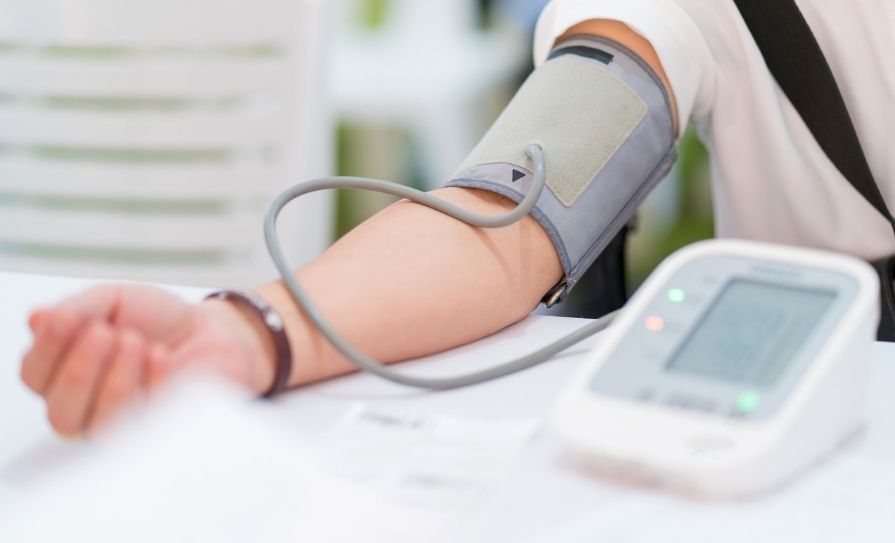
High blood pressure becomes more common after age 40 years, yet new research from The Irish Longitudinal Study on Ageing (TILDA) at Trinity College Dublin shows that many people in Ireland with hypertension are still not optimally diagnosed or treated based on European guidelines. The study is published in the international journal Open Heart.
Drawing on more than a decade of TILDA data, the researchers show that unmet need in hypertension care is not a new problem, but one that has persisted over time. At the most recent data collection, 62 per cent (approximately 445,000 people aged 50 and over) with high blood pressure were not appropriately managed: They had undiagnosed hypertension, were diagnosed but not receiving treatment, or were on treatment but had blood pressure above recommended targets.
When the lower blood pressure target of <130/80mmHg, as advised by the 2024 ESC guidelines, is applied, this figure rises to 77 per cent — meaning more than three out of every four older adults with hypertension in Ireland are not optimally managed.
Key findings from the study include:
- Hypertension prevalence remained consistently high, increasing from 63 per cent to 71 per cent over 12 years.
- Only 56 per cent of those with hypertension are aware they have it, highlighting substantial ongoing under-diagnosis.
- 71 per cent of those with hypertension were taking a medication, treatment intensity was often suboptimal: Only 14
per cent were prescribed a guideline- recommended dual therapy and only 57 per cent guideline-recommended monotherapy. - Among those receiving treatment, just 33 per cent achieved the guideline- recommended blood pressure target of <130/80mmHg, while 54 per cent were controlled to <140/90mmHg.
- Overall, 62 per cent (445,000 people) with hypertension in Ireland were not appropriately managed according to the 2018 ESC guidelines, consistent with previous TILDA evidence showing poor long-term control of modifiable cardiovascular risk factors.
- 40 per cent of the population had elevated blood pressure (SBP value of 120– 139mmHg or a DBP value of 70-89mmHg) and 71 per cent of this group had evidence of high cardiovascular risk.
- People aged 85 years and older and those with moderate-to-severe frailty were less likely to have undiagnosed hypertension and were more likely to be taking guideline- recommended medications similar rates of blood pressure control when compared to the wider population.
- People with chronic kidney disease (CKD) were more likely to receive guideline- recommended treatment and achieve blood pressure control to a target of <140/90mmHg, suggesting targeted care can be effective in high-risk groups.
Regius Professor Rose Anne Kenny, Principal Investigator of TILDA and Professor of Medical Gerontology at Trinity College Dublin, added: “TILDA has been highlighting gaps in the detection and control of high blood pressure for over a decade. What makes this study particularly powerful is the maturity of the TILDA dataset — following the same people over more than 12 years gives Ireland a unique national asset for understanding how health changes as we age and how well our health system is responding.”