Eamonn Brady MPSI provides a clinical overview of migraine, with discussion on differential diagnosis, preventive therapies, and the important role of the pharmacist
Part 1: Common Symptoms, Types and Triggers of Migraine
One of the most important steps in managing a patient presenting with headache is determining whether migraine is the underlying cause. Migraine is a common neurological disorder with characteristic features that distinguish it from tension-type headache, cluster headache and secondary headache disorders. Recognising these features allows appropriate treatment to be started promptly while identifying patients who require further investigation or referral.
[INSERT IMAGE HERE]
Common Symptoms
Migraine attacks vary considerably between individuals and even between attacks in the same patient. An attack may last from four-to-72 hours if untreated and typically progresses through several phases, although not every patient experiences each phase.
Migraine without aura (approximately 70-to-80 per cent of patients):
? Moderate-to-severe headache, usually throbbing or pulsating.
? Headache affecting one side of the head, although bilateral pain is common.
? Pain worsened by routine physical activity such as climbing stairs or bending over.
? Nausea and/or vomiting.
? Sensitivity to light (photophobia).
? Sensitivity to sound (phonophobia).
? Increased sensitivity to smells (osmophobia) in some patients.
? Neck pain or stiffness, which may occur before or during the headache.
? Pallor and general malaise.
Migraine with aura (approximately 20-to-30 per cent of patients)
Aura consists of transient neurological symptoms that usually develop gradually over five-to-60 minutes before the headache begins, although headache and aura may overlap.
Visual aura is by far the most common manifestation and may include:
? Flashing lights.
? Zig-zag lines (fortification spectra).
? Blind spots (scotomas).
? Temporary visual loss.
Less commonly, aura may involve:
? Unilateral numbness or tingling affecting the hand, arm or face.
? Difficulty speaking (dysphasia).
? Dizziness or imbalance.
? Temporary confusion.
Aura symptoms are fully reversible. Persistent or atypical neurological symptoms require urgent medical assessment to exclude transient ischaemic attack, stroke or other neurological conditions.
Less Common Migraine Subtypes
Migraine with Brainstem Aura
Previously known as basilar migraine, this uncommon subtype originates from the brainstem without evidence of motor weakness. Symptoms may include vertigo, double vision, slurred speech, tinnitus, reduced hearing, unsteadiness and reduced level of consciousness. Because these symptoms can resemble stroke, first presentations require urgent specialist assessment.
Hemiplegic Migraine
Hemiplegic migraine is characterised by temporary weakness or paralysis affecting one side of the body during the aura phase. Symptoms can closely mimic acute stroke and require urgent assessment, particularly during a first episode.
Abdominal Migraine
Occurs predominantly in children and adolescents and is characterised by recurrent central abdominal pain, nausea, vomiting, loss of appetite and pallor. Many affected children later develop typical migraine headaches.
Recurrent Painful Ophthalmoplegic Neuropathy
Previously termed ophthalmoplegic migraine, this rare disorder presents with headache followed by weakness of one or more eye muscles causing double vision, drooping eyelid and difficulty moving the affected eye. Urgent neurological assessment is required.
Migraine Triggers
Migraine attacks occur when genetically susceptible individuals encounter one or more factors that lower their threshold for developing an attack. Keeping a headache diary remains one of the most useful methods of identifying individual trigger patterns.
Environmental Triggers
? Bright sunlight.
? Flickering or flashing lights.
? Fluorescent lighting.
? Strong odours.
? Loud or persistent noise.
? Weather changes.
? High altitude.
? Prolonged screen use.
Lifestyle Triggers
? Missed or delayed meals.
? Dehydration.
? Too little or too much sleep.
? Emotional stress.
? Relaxation after periods of stress.
? Fatigue.
? Excessive physical exertion
Dietary Triggers
Evidence linking individual foods with migraine is weaker than many patients believe. Foods commonly reported include mature cheeses, chocolate, processed meats containing nitrates or nitrites, monosodium glutamate (MSG), aspartame, alcohol (particularly red wine), and excessive caffeine intake or caffeine withdrawal. Patients should identify consistent personal triggers before eliminating foods unnecessarily.
Hormonal Triggers
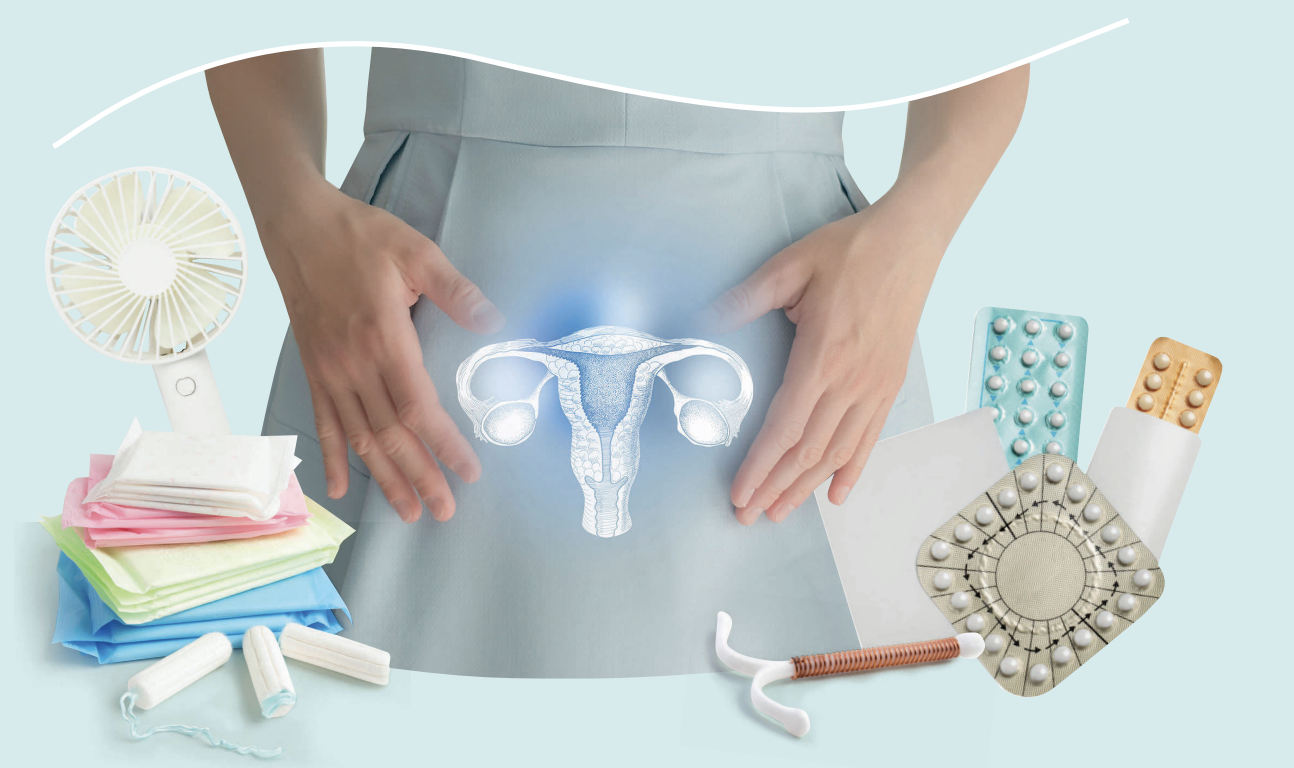
Migraine is approximately three times more common in women than men because of hormonal influences. Falling oestrogen concentrations around menstruation are a well-recognised trigger. Hormonal fluctuations associated with combined oral contraceptives, perimenopause and hormone replacement therapy may also influence migraine frequency. Many women improve during pregnancy and after menopause, although symptoms may temporarily worsen during the perimenopausal transition.
Migraine is approximately three times more common in women than men because of hormonal influences
Identifying Individual Patterns
A headache diary recording headache frequency, duration, severity, associated symptoms, medication use, menstrual cycle, sleep, stress, diet and potential triggers can assist diagnosis, monitor treatment response and help determine when preventive therapy should be considered.
Part 2: Conventional Migraine Medication
Ideally, advise on promotion of self-help, self-management, and other treatments to help improve the condition and add value to the benefit offered by medication.
Given the wide and varied nature of chronic pain, there can be a myriad of medication options. The effectiveness of medication depends on the nature and severity of the pain. It is important that non-medication management options are considered including exercise, relaxation therapies (especially for the likes of tension headaches), physiotherapy, and cognitive behavioural therapy, just to name a few.
Triptans
Regarding treatment of chronic pain caused by migraine, in addition to standard paracetamol and NSAIDs, triptans are considered the most effective to combat acute attacks if ordinary analgesics do not work.
All are POM, apart from sumatriptan, with an OTC version available in Ireland.
| Drug | Dosage | Brand | Maximum dose in 24-hour period | % Chance of experiencing | |||
|---|---|---|---|---|---|---|---|
| Pain relief at 2 hours | Complete freedom from pain at 2 hours | Sustained response, no adverse event | Recurrence | ||||
| Almotriptan | 12.5mg | Almogran® | 25 mg | 56% | 25% | 13% | 33% |
| Frovatriptan | 2.5mg | Frovex® | 7.5 mg | Not available | Not available | Not available | Not available |
| Sumatriptan | 50 &100mg FasTabs 10 &20mg Nasal Spray 6mg SC |
Imigran® | 200 mg 40mg 12mg |
61% | 32% | 15% | 31% |
| Zolmitriptan | 2.5mg Tabs & FasTabs | Zomig® | 10mg | 63% | 29% | 14% | 31% |
| Eletriptan | 20 & 40mg tabs | Relpax® | 80mg | 69% | 39% | 21% | 26% |
| Naratriptan | 2.5mg tabs | Naramerg® | 5mg | 49% | 18% | 11% | 20% |
| Table adapted for Irish market, source Data from a meta-analysis of head-to-head trials, in C. Asseburg, P. Peura, T. Oksanen, J.a Turunen, T. Purmonen and J. Martikainen (2012). Cost-effectiveness of oral triptans for acute migraine: Mixed treatment comparison. No head-to-head info available for Frovatriptan | |||||||
TABLE 1: Types of triptans
Preventive Medication for Migraine
Preventive treatment should be considered for patients whose migraines remain poorly controlled despite appropriate lifestyle measures and optimised acute treatment. According to current NICE guidance, preventive therapy should be discussed with patients who experience frequent migraine attacks, significant disability despite acute treatment, contraindications to acute therapies, or medication overuse headache. Although there is no absolute threshold, preventive treatment is commonly considered when patients experience four or more migraine days per month, or when attacks significantly impair quality of life, work or education.
The aim of preventive therapy is not necessarily to eliminate migraine completely but to reduce attack frequency, severity and duration, improve response to acute treatment, minimise medication overuse, and improve overall quality of life. Patients should be advised that benefits are usually gradual, often taking six-to-12 weeks to become fully apparent. Once an effective dose has been reached, treatment should generally be continued for at least six months before considering gradual withdrawal.
Preventive medication should always be used alongside non-pharmacological measures. Maintaining regular sleep patterns, eating regular meals, staying well hydrated, managing stress, exercising regularly and identifying personal triggers using a headache diary remain important components of long-term migraine management. Pharmacists are ideally placed to reinforce these lifestyle measures while monitoring adherence and treatment response.
Amitriptyline
Amitriptyline remains one of the most frequently prescribed oral preventive treatments for migraine and is particularly useful in patients who also suffer from insomnia, chronic pain or tension-type headache. Although originally developed as a tricyclic antidepressant, the doses used for migraine prevention are generally much lower than those required for treating depression.
Treatment is usually initiated at 10mg at night and increased gradually every two-to-four weeks according to response and tolerability. Most patients achieve benefit at doses between 10mg and 50mg daily, although some require higher doses. Slow dose titration helps minimise adverse effects and improves treatment adherence.
Common adverse effects include drowsiness, dry mouth, constipation, blurred vision, urinary retention and weight gain. Patients should be counselled that sedation often improves after the first few weeks and that taking the medication in the evening may reduce daytime drowsiness. Amitriptyline should be used cautiously in older adults because of its anticholinergic effects and increased risk of falls, and it should generally be avoided in patients with significant cardiac conduction abnormalities or uncontrolled narrow-angle glaucoma. It is also potentially dangerous in overdose.
Topiramate
Topiramate is among the most effective oral preventive treatments for migraine and is recommended by NICE for suitable patients. Originally developed as an antiepileptic medicine, it reduces neuronal excitability and decreases the likelihood of migraine attacks.
Treatment is normally started at 25mg at night, with gradual weekly or fortnightly dose increases according to tolerability. Most patients respond to a total daily dose of 50-to-100mg, although higher doses are occasionally used.
Patients should be counselled about common adverse effects including paraesthesia, cognitive slowing, difficulty finding words, reduced concentration, fatigue, altered taste, reduced appetite and weight loss. Adequate hydration should be encouraged because of the increased risk of kidney stones.
Topiramate is now subject to strict pregnancy safety restrictions because of the significant risk of congenital malformations and neurodevelopmental disorders following in utero exposure. Women of childbearing potential should only receive topiramate if the conditions of the Pregnancy Prevention Programme are fulfilled and effective contraception is used. Pharmacists have an important role in reinforcing these safety messages whenever dispensing topiramate.
Propranolol
Propranolol is another well-established first-line preventive treatment and is particularly suitable for younger patients without contraindications. It may be especially beneficial in patients who also experience anxiety, palpitations or essential tremor.
Treatment usually starts at a low dose, increasing gradually according to response. Benefits may not become apparent for several weeks.
Common adverse effects include fatigue, dizziness, cold hands and feet, sleep disturbance and exercise intolerance. Propranolol should generally be avoided in patients with asthma, significant chronic obstructive pulmonary disease, bradycardia, heart block or poorly controlled heart failure. It may also mask symptoms of hypoglycaemia in patients with diabetes.
Candesartan
Candesartan has become an increasingly recognised option for migraine prevention and is recommended by NICE where appropriate. Although primarily licensed for hypertension and heart failure, studies have demonstrated efficacy comparable to propranolol in some patients.
It is generally well tolerated, with dizziness, postural hypotension and mild renal impairment representing the most important adverse effects. Blood pressure and renal function should be monitored when clinically appropriate. Candesartan may be particularly useful in patients with coexisting hypertension but should be avoided during pregnancy because of foetal toxicity.
Flunarizine
Flunarizine remains widely used in Ireland despite not being routinely available in some other countries. It is particularly useful in patients with frequent migraine attacks who have not responded adequately to other oral preventive medicines.
Treatment usually begins with 5mg at night before increasing to 10mg if required. Clinical improvement may take several weeks or even months to become fully apparent. Once migraine control has been maintained for approximately six months, treatment interruption should be considered to determine whether continued therapy remains necessary.
Common adverse effects include weight gain, increased appetite, drowsiness and low mood. Extrapyramidal symptoms and drug-induced Parkinsonism may occur, particularly in older adults, making regular review essential.
Sodium Valproate
Sodium valproate is effective for migraine prevention but now has a very limited role because of its well-established teratogenic effects. Current UK and European guidance states that it must not be used in women or girls of childbearing potential unless no suitable alternative exists and the strict conditions of the Pregnancy Prevention Programme are met.
For this reason, sodium valproate is now reserved for carefully selected patients under specialist supervision.
Other Oral Preventive Medicines
Venlafaxine may benefit selected patients, particularly where migraine coexists with anxiety or depression, although evidence is less robust than for first-line agents.
Pizotifen has historically been widely used in migraine prevention, but its role has declined because of modest efficacy and adverse effects such as sedation and weight gain.
Gabapentin and pregabalin were previously prescribed more frequently for migraine prevention; however, current evidence demonstrates limited benefit, and they are no longer routinely recommended solely for migraine prophylaxis.
Riboflavin (Vitamin B2)
Riboflavin has been evaluated as a non-prescription preventive treatment because of its role in mitochondrial energy metabolism. Some clinical trials suggest that high-dose riboflavin (typically 400mg daily) may modestly reduce migraine frequency in selected patients. Although the evidence is less robust than for licensed preventive medicines, riboflavin is generally well tolerated and may be considered for patients who prefer non-pharmacological options or cannot tolerate conventional preventive therapy. Patients should be advised that several months of treatment may be required before benefit becomes apparent and that bright yellow discolouration of the urine is a harmless and expected effect.
Botulinum Toxin Type A (Botox®)
Botulinum toxin type A (Botox®) is an established preventive treatment for chronic migraine and is recommended by NICE for carefully selected patients whose migraines remain poorly controlled despite appropriate trials of oral preventive medication. Unlike acute migraine treatments, Botox is designed to reduce the frequency and severity of migraine attacks rather than treat individual episodes once they occur.
Chronic migraine is defined as headache occurring on 15 or more days per month for at least three months, with migraine features present on at least eight of those headache days. These patients often experience significant disability, reduced quality of life and high rates of medication overuse headache.
Treatment should only be initiated by clinicians experienced in headache medicine, usually consultant neurologists or specialist headache clinics. Botox is administered using the well-established PREEMPT (Phase III Research Evaluating Migraine Prophylaxis Therapy) protocol, involving 31 injections distributed across seven specific muscle groups of the forehead, temples, back of the head, neck and shoulders. Depending on the patient’s pain distribution, a further eight injections may be administered, giving a maximum of 39 injection sites during each treatment session.
Treatment is repeated every 12 weeks, as the clinical effect gradually diminishes over time. Patients should be advised that meaningful improvement is seldom seen after a single treatment cycle. Current guidance recommends assessing response after two treatment cycles (approximately six months) before determining whether treatment should continue. Patients who respond often experience fewer migraine days each month, less severe attacks, reduced reliance on acute medicines, and improved quality of life.
The precise mechanism by which Botox® prevents migraine is not fully understood. In addition to relaxing muscle activity, it inhibits the release of several pain-mediating neurotransmitters, including calcitonin gene-related peptide (CGRP), substance P and glutamate, thereby reducing activation of the trigeminovascular pain pathway involved in migraine.
Botox® is generally well tolerated. The most reported adverse effects include injection-site discomfort, neck pain, muscle stiffness and temporary eyelid drooping (ptosis). These effects are usually mild and self-limiting. Serious adverse events are uncommon when treatment is administered by experienced clinicians.
Botox may be continued alongside oral preventive medicines if clinically appropriate. In specialist headache centres, some patients with refractory chronic migraine may also receive Botox® in combination with CGRP-targeted therapies, although treatment decisions are made on an individual basis.
From a pharmacist’s perspective, counselling should focus on setting realistic expectations. Patients should understand that Botox® is not a cure for migraine, improvement is gradual rather than immediate, and treatment sessions are required every three months to maintain benefit. Encouraging patients to continue keeping a headache diary allows objective assessment of treatment response and assists specialists in determining whether ongoing therapy remains appropriate.
Part 3: CGRP-Targeted Therapies for Migraine Prevention
The introduction of calcitonin gene-related peptide (CGRP)-targeted therapies represents one of the most significant advances in migraine treatment for many years. Unlike traditional preventive medicines, which were originally developed for conditions such as epilepsy, hypertension or depression before later being found to reduce migraine frequency, these medicines were specifically designed to target one of the key biological pathways involved in migraine.
CGRP-targeted therapies have transformed treatment for many patients with frequent or chronic migraine who have failed to respond adequately to conventional preventive medicines or who cannot tolerate their adverse effects. Clinical trials and real-world studies have consistently demonstrated meaningful reductions in monthly migraine days, improved quality of life and reduced reliance on acute migraine medication.
The Role of CGRP in Migraine
CGRP is a naturally occurring neuropeptide that plays a central role in migraine pathophysiology.
During a migraine attack, CGRP is released from trigeminal sensory nerve endings. It contributes to migraine by:
? Causing dilation of intracranial blood vessels.
? Promoting neurogenic inflammation.
? Increasing transmission of pain signals within the trigeminovascular pathway.
? Amplifying central pain sensitisation during prolonged migraine attacks.
Numerous studies have shown that CGRP concentrations increase during migraine attacks and fall once effective treatment has relieved symptoms. Blocking either the CGRP molecule itself or its receptor interrupts this pathway and substantially reduces migraine frequency in many patients.
Monoclonal Antibodies Targeting CGRP
Four monoclonal antibodies have now been licensed in Europe for migraine prevention:
? Erenumab (Aimovig®) – blocks the CGRP receptor.
? Fremanezumab (Ajovy®) – binds directly to CGRP.
? Galcanezumab (Emgality®) – binds directly to CGRP.
? Eptinezumab (Vyepti®) – binds directly to CGRP and is administered intravenously.
Compared with traditional oral preventive medicines, CGRP monoclonal antibodies offer several practical advantages. They require infrequent administration (usually monthly or quarterly), have relatively few drug interactions, and are generally well tolerated. Their migraine-specific mechanism also means they avoid many of the troublesome adverse effects associated with older preventive medicines, such as sedation, cognitive impairment or weight gain.
Erenumab (Aimovig®)
Erenumab was the first CGRP-targeted monoclonal antibody licensed in Europe for migraine prevention and remains widely used.
It is indicated for adults experiencing at least four migraine days per month and is administered by subcutaneous injection every four weeks. The usual starting dose is 70mg monthly, although some patients benefit from increasing to 140mg monthly if response is inadequate.
Clinical trials have demonstrated significant reductions in monthly migraine days, acute medication use, and migraine-related disability in both episodic and chronic migraine. Improvements are often seen within the first month of treatment, although maximal benefit may require several months.
The most reported adverse effects include:
? Injection-site reactions.
? Constipation.
? Muscle cramps or muscle spasms.
? Pruritus.
Most adverse effects are mild, and treatment discontinuation because of adverse events is uncommon.
Fremanezumab (Ajovy®)
Fremanezumab is another CGRP monoclonal antibody available in Ireland. Unlike erenumab, which targets the CGRP receptor, fremanezumab binds directly to the CGRP molecule itself.
A practical advantage is dosing flexibility:
? 225mg every month.
? 675mg every three months.
Clinical trials have demonstrated significant reductions in monthly migraine days in both episodic and chronic migraine, together with improvements in quality of life and reductions in acute medication use. The most reported adverse effects are mild injection-site reactions.
Access in Ireland
Access to CGRP monoclonal antibodies in Ireland remains tightly controlled through the HSE Managed Access Protocol (MAP) and High-Tech Medicines Scheme.
Treatment is generally initiated only by consultant neurologists or headache specialists. Patients are usually required to have chronic migraine and to have failed, not tolerated or had contraindications to several conventional preventive medicines before reimbursement is approved.
Pharmacists should be aware that eligibility criteria and reimbursement arrangements are reviewed periodically by the HSE and may change over time.
Looking Beyond Monoclonal Antibodies
The treatment landscape continues to evolve. In addition to injectable monoclonal antibodies, a newer class of oral CGRP-targeted medicines known as gepants has emerged. These medicines block the CGRP receptor using small molecules rather than antibodies and may be used for acute treatment, preventive treatment or both, depending on the individual medicine and local licensing arrangements.
The availability of both monoclonal antibodies and gepants means migraine management is becoming increasingly individualised, allowing specialists to tailor treatment according to attack frequency, previous treatment response, patient preference, and comorbidities.
HSE Managed Access Protocol in Ireland
Although these medicines have demonstrated excellent efficacy in appropriately selected patients, their relatively high acquisition cost means prescribing is restricted to ensure they are used in patients most likely to benefit.
Currently, prescribing is generally limited to consultant neurologists and specialist headache physicians who participate in the HSE Managed Access Protocol. General practitioners cannot initiate treatment under the scheme, although they often play an important role in referring suitable patients to specialist headache services and monitoring ongoing care.
Before a patient becomes eligible for reimbursement, they are usually expected to have chronic migraine that continues to cause significant disability despite appropriate trials of conventional preventive therapy. In most cases, patients must have failed to achieve adequate migraine control, experienced unacceptable adverse effects, or have contraindications to several established preventive medicines before approval is granted.
Examples of preventive medicines commonly considered before progressing to CGRP-targeted therapy include:
? Amitriptyline or nortriptyline.
? Topiramate.
? Propranolol or metoprolol.
? Candesartan.
? Flunarizine.
? Pizotifen.
? Sodium valproate (where appropriate).
? Venlafaxine.
? Botulinum toxin type A (Botox®) in suitable patients with chronic migraine.
Treatment response is reviewed regularly by the treating neurologist. Patients who fail to demonstrate meaningful clinical improvement after an appropriate trial are unlikely to continue treatment, whereas responders may remain on therapy, provided ongoing benefit is demonstrated.
For community pharmacists, awareness of the Managed Access Protocol is valuable when counselling patients. Many patients are aware of these newer therapies through media coverage or patient support groups and may enquire why they cannot access them immediately. Pharmacists can explain that referral to a neurologist is required, eligibility criteria must be met, and several conventional preventive treatments are normally tried first. This helps set realistic expectations while reinforcing the importance of optimising existing preventive therapy and maintaining a headache diary throughout the assessment process.
Many patients are aware of these newer therapies through media coverage or patient support groups and may enquire why they cannot access them immediately
Part 4: Gepants – A New Era in Migraine Treatment
The introduction of gepants represents one of the most important developments in migraine management in recent years. Unlike traditional acute treatments such as triptans, or injectable CGRP monoclonal antibodies used for prevention, gepants are small-molecule calcitonin gene-related peptide (CGRP) receptor antagonists that are administered orally. They provide an additional treatment option for patients who cannot tolerate triptans, have contraindications to vasoconstrictor therapies, or continue to experience disabling migraine despite conventional preventive treatment.
Perhaps the greatest significance of gepants is that they bridge the gap between acute and preventive migraine therapy. Depending on the individual medicine, they may be used either to treat an acute migraine attack or as long-term preventive therapy. As experience with these medicines grows, they are increasingly becoming an important component of specialist migraine management.
Perhaps the greatest significance of gepants is that they bridge the gap between acute and preventive migraine therapy
How Do Gepants Work?
Like the injectable CGRP monoclonal antibodies, gepants target the CGRP pathway, one of the key biological mechanisms responsible for migraine. During an attack, activation of the trigeminovascular system results in the release of CGRP from trigeminal nerve endings. This peptide promotes vasodilation, neurogenic inflammation and transmission of pain signals within the central nervous system.
Rather than binding to the CGRP molecule itself, gepants work by blocking the CGRP receptor, thereby preventing CGRP from exerting its biological effects. This interruption reduces activation of migraine pain pathways and decreases both the frequency and severity of attacks.
Unlike triptans, gepants do not cause vasoconstriction. This makes them particularly attractive for patients with cardiovascular disease or significant cardiovascular risk factors in whom triptans may be unsuitable.
Details of Individual Gepants
Atogepant
Atogepant (Aquipta®) is the first oral CGRP receptor antagonist licensed in Europe specifically for the prevention of migraine. It is taken once daily and is indicated for adults experiencing frequent migraine attacks who require preventive therapy.
Clinical trials have demonstrated significant reductions in monthly migraine days compared with placebo, with improvements often becoming evident within the first month of treatment. Benefits are generally maintained with continued therapy, and many patients report improvements in daily functioning, work productivity and overall quality of life.
The most reported adverse effects include:
? Constipation.
? Nausea.
? Fatigue.
? Reduced appetite.
Overall, atogepant is well tolerated, with relatively few patients discontinuing treatment because of adverse effects.
Rimegepant
Rimegepant (Vydura®) is licensed for both acute treatment and preventive treatment of migraine in adults.
For acute migraine, rimegepant is taken as a single oral lyophilisate at the onset of an attack. Clinical studies have shown that many patients experience meaningful pain relief within two hours, together with improvement in associated symptoms.
For prevention, rimegepant is taken every other day. Studies have demonstrated significant reductions in monthly migraine days while maintaining a favourable safety profile.
Common adverse effects include nausea and abdominal discomfort, although overall tolerability is excellent.
Advantages over Traditional Therapies
Unlike triptans, gepants do not produce clinically significant vasoconstriction and therefore may be considered in selected patients who are unable to use triptans because of cardiovascular contraindications. Compared with older oral preventive medicines such as amitriptyline, propranolol or topiramate, gepants generally have fewer central nervous system adverse effects.
Current evidence also suggests that gepants have a low risk of medication-overuse headache, although long-term real-world data continue to accumulate.
Prescribing Considerations
Current treatment pathways continue to recommend established oral preventive medicines before progressing to newer CGRP-targeted therapies. Both atogepant and rimegepant undergo hepatic metabolism via CYP3A4, so pharmacists should screen for clinically important drug interactions. Because of limited human safety data, these medicines are generally avoided during pregnancy.
The Pharmacist’s Role
Community pharmacists are likely to encounter increasing numbers of patients receiving gepants. Their role includes counselling on correct administration, checking for drug interactions, encouraging adherence, and reinforcing realistic expectations. Patients should continue keeping a headache diary to assess treatment response and pharmacists should remain vigilant for medication-overuse headache.
Together with CGRP monoclonal antibodies, gepants represent a major advance in mechanism-based migraine therapy and provide new options for patients whose migraines remain inadequately controlled despite conventional treatment.
Part 5: Is It Migraine?
One of the most important roles of the community pharmacist is assessing patients who present with headache and deciding whether the features are consistent with migraine or whether an alternative diagnosis should be considered. Although many patients have an established diagnosis, others may be experiencing migraine for the first time or may incorrectly assume that all severe headaches are migraine.
A structured history remains the most valuable diagnostic tool. Pharmacists should establish the onset, duration, location and character of the headache, associated symptoms, frequency of attacks, response to previous treatments, and any potential triggers. It is equally important to identify red flag symptoms that require urgent medical assessment.
Features That Suggest Migraine
Although migraine presentation varies between individuals, several features make the diagnosis more likely.
Character of the Headache
Migraine typically causes moderate-to-severe headache that is pulsating or throbbing in nature. The pain often limits normal daily activities and is frequently aggravated by routine physical activity such as climbing stairs, walking quickly, or bending over.
While migraine classically affects one side of the head, bilateral headache is not uncommon, particularly in children and during established attacks. Therefore, headache location alone should not determine the diagnosis.
Associated Symptoms
Unlike many other headache disorders, migraine is commonly accompanied by additional neurological and autonomic symptoms.
? Nausea and vomiting.
? Photophobia.
? Phonophobia.
? Osmophobia.
? Neck discomfort or stiffness.
? Fatigue.
? Difficulty concentrating.
Approximately one-quarter of patients also experience an aura before or during the headache. Visual aura is the most common presentation and typically consists of flashing lights, zig-zag lines, or temporary blind spots.
Sensory symptoms such as unilateral tingling or numbness, together with transient speech disturbance, may also occur.
Because aura symptoms can resemble transient ischaemic attack or stroke, first presentations or atypical symptoms should always be referred for urgent medical assessment.
Pattern of Attacks
Migraine attacks usually last between four and 72 hours if untreated or unsuccessfully treated. Many patients describe similar attacks recurring over months or years, often with recognisable warning symptoms or consistent triggers.
Encouraging patients to maintain a headache diary remains extremely valuable. Recording headache frequency, duration, severity, associated symptoms, medication use and possible triggers assists diagnosis, identifies medication-overuse headache, and helps determine whether preventive therapy should be considered.
Distinguishing Migraine from Other Common Headaches
Many patients attending community pharmacies have tension-type headache rather than migraine.
Tension-type headache usually presents with a dull, pressing or tightening sensation affecting both sides of the head. The pain is generally mild-to-moderate, is not worsened by routine activity, and is rarely associated with nausea or vomiting. Patients often remain able to continue normal daily activities.
Cluster headache differs again. It produces sudden attacks of extremely severe unilateral pain centred around the eye or temple. Episodes are typically accompanied by autonomic symptoms such as tearing, conjunctival redness, nasal congestion or eyelid drooping. Patients are often restless during attacks rather than wishing to lie quietly, as is common with migraine. Suspected cluster headache should be referred promptly for specialist assessment.
Red Flags Requiring Urgent Referral
Urgent medical assessment is required if headache is associated with:
? Sudden onset reaching maximum intensity within seconds (‘thunderclap headache’).
? New neurological deficit.
? Persistent confusion or altered consciousness.
? Fever, neck stiffness, or rash.
? New headache following head injury.
? New headache in patients aged over 50 years.
? Progressive worsening over days or weeks.
? Headache triggered by coughing, straining, or exertion.
? Papilloedema or suspected raised intracranial pressure.
? New headache in patients with cancer, immunosuppression, or pregnancy.
These features may indicate potentially serious conditions such as subarachnoid haemorrhage, meningitis, giant cell arteritis, stroke or intracranial pathology, and should never be attributed to migraine without further assessment.
References on request
Disclaimer: Brands mentioned in this article are meant as examples only and not meant as preference to other brands.