The pharmacy is the first port of call for people trying to ease the symptoms of their hay fever
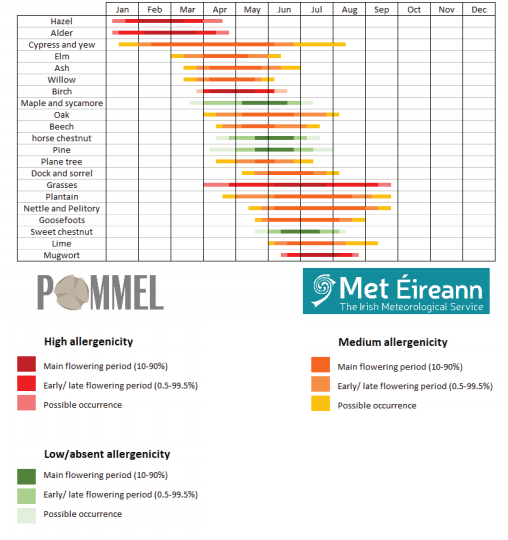
Hay fever, otherwise known as allergic rhinitis, is one of the few drawbacks as spring approaches and the days get longer and warmer. Even in January, early tree pollen begins to become a problem for some people, with elm and willow trees producing pollen, among others.
March is peak tree pollen season, while grass pollen season peaks from May to July. From June to September, weed pollen season is at its height, and from September to November, mould spores become the main problem for people with allergies. While allergic rhinitis is normally associated with spring, people with allergies can suffer all year round.
The main sources of contact for pollen result from contact with the eyes, throat, mouth and nose as the fine pollen powder comes into contact with these sensitive areas and causes inflammation.
It is estimated that one-in-five people suffer with allergic rhinitis, and some of these people are troubled by their allergies all-year-round. In people who suffer with hay fever only during spring and summer, this is known as seasonal allergic rhinitis, while allergies all-year-round is referred to as perennial allergic rhinitis.
Asthma and allergic rhinitis
People with asthma face additional complications when dealing with hay fever. The substances that trigger allergic rhinitis are also known to cause a flare-up of asthma symptoms and more than 80 per cent of people with asthma also suffer with hay fever.
In addition, around 10-to-40 per cent of people with hay fever will go on to develop asthma and the Asthma Society of Ireland recommends that people with persistent asthma should also be evaluated for allergic rhinitis.
There are several symptoms of seasonal or perennial allergic rhinitis, including:
- Red, itchy or runny eyes.
- Sneezing.
- Blocked or runny nose.
- Sense of taste and smell are affected.
- Possible headaches or generally feeling unwell.
- Post-nasal drip.
- Itchy throat, mouth, or inner ear.
There are a number of steps a customer can take to lessen the symptoms of hay fever, and these can be suggested at the pharmacy counter. They include keeping the doors and windows closed when the pollen count is high and to wear a mask while cycling, for example, and avoiding outdoor exercise when the pollen count is high.
Wrap-around sunglasses help to keep pollen out of the eyes, and people with hay fever should splash their eyes with water when necessary to wash pollen out, and shower and change clothes after spending long periods outdoors (including washing hair). If possible, people with hay fever should avoid drying their clothes outdoors, as pollen will cling to the fabric, and sufferers should avoid cutting the grass and try to build an ‘allergy-friendly’ garden, if possible.
Pets who have been outside for a long time also exacerbate allergies, as pollen sticks to their fur. Some cars are fitted with a pollen filter, but in those that don’t, windows should be kept closed when the pollen count is high. A barrier gel or spray can be applied to the nostrils to prevent pollen from settling in the nose interior.
Hay fever sufferers can get advance notice of when the pollen count will be high by visiting https://www.asthma.ie/life-with-asthma/asthma-and-hay-fever/pollen-forecast/.
Children
While allergic rhinitis is often thought of as a problem for adults, it also affects children, particularly if they have asthma. The symptoms are the same for children as they are for adults and in fact, hay fever often begins to manifest in children between the ages of two and five years, according to the HSE.
One of the difficulties in recognising allergic rhinitis in children is that it can be mistaken for a cold because of the overlap of symptoms. However, there are ways to tell the difference: For example, if a child has hay fever, they will not normally have a high temperature or sore throat. Itchy eyes and nose are often a giveaway, and their symptoms will last for six to-eight weeks or more, compared with one-to-three weeks for a cold. Sometimes, a child’s hay fever symptoms will ease as they get older. For others, the symptoms disappear completely.
Children with pollen allergies may sometimes experience reactions on their skin when it has been in direct contact with pollen. This can manifest as hives or a rash, and these may also be triggered by inhaling the pollen, which causes an immune system reaction to the irritant.
Many of the symptoms of hay fever in children are the same as they are for adults. Sometimes children with hay fever will have ‘allergic shiners’, which are dark, puffy circles under the eyes, and the same precautionary measures apply as for adults.
Hay fever is known to be a trigger for asthma attacks, along with eczema and food allergies. As a precaution, during the height of hay fever season children with asthma should always carry their reliever inhaler and spacer. This relaxes the airways, making it easier to breathe, and reduces the symptoms of hay fever that might lead to an asthma attack.
In adults, hay fever symptoms can also lead to an exacerbation of the symptoms of COPD (chronic obstructive pulmonary disease), resulting in more coughing and wheezing.
Therapies and treatments
As with all medications that might react with existing conditions, check with the pharmacist on duty if you are unsure.
Anti-Hist Allergy is clinically proven to provide fast relief from common hay fever symptoms, such as nasal irritation, sneezing, a blocked-up or runny nose, skin rashes and watery eyes. It contains cetirizine dihydrochloride, which blocks the harmful effects of histamine, which exacerbate allergic reactions. It treats the symptoms of both seasonal and perennial allergic rhinitis, and is also effective in treating chronic nettle rash.
Another proven remedy is Telfast Allergy, which provides fast, long-acting relief for up to 24 hours. It can be taken once a day and starts to work within one hour and is suitable for adults and children aged over 12 years. It is a non-drowsy formula and is best taken before a meal for maximum effect.
Nasacort Allergy is another scientifically-proven therapy that comes in the form of a spray to treat the symptoms of allergic rhinitis quickly and effectively. It belongs to a group of medicines called corticosteroids, which are anti-inflammatory medicines that not only treat hay fever, but also conditions like asthma, skin rashes, arthritis, and others. Nasacort Allergy is suitable for use only by customers aged 18 years and older.
Fexo Allergy Relief tablets is another trusted hay fever remedy that is a once-daily, non-drowsy antihistamine for the relief of all the associated symptoms. One tablet should be taken before meals and it is suitable only for people aged 12 years and older. Its non-drowsy fexofenadine ingredient makes it suitable for both daytime and night-time use.
Sterimar Stop & Protect Allergy Response is a nasal spray that protects against particles such as dust, pollen and other allergens that exacerbate the symptoms of hay fever. It has a fast and effective action against the usual symptoms of hay fever and helps prevent their onset. Sterimar Stop & Protect is non-drowsy and preservative-free and remains uncontaminated, even after opening.
Fusion Allergy is an eye-drop therapy that effectively relieves the symptoms of allergic conjunctivitis, a condition caused by pollen, dust and pet dander. Allergic conjunctivitis occurs when allergens cause inflammation in the tissue that lines the eyelids and the whites of the eyes. This product contains 1% Ectoin, which is a natural cell-protective molecule with membrane-stabilising properties. It can be used multiple times in one hour and can also be used for the prevention of allergic conjunctivitis symptoms.
For children, Becodefence Kids Allergy Defence Sprays provide quick and effective relief that gets to work within three minutes. It contains a unique thixotropic formula — when shaken, it becomes fluid for easy application, which then settles in the nasal lining as a gel to block allergen contact. It forms a microgel barrier to prevent against further irritation but should be used under adult supervision.
Also for kids, Piriton Hayfever & Allergy Relief Syrup for Children is another effective therapy that provides fast relief from the symptoms of allergic rhinitis. Its chlorphenamine maleate formula works by calming the body’s natural allergic response to irritants and also helps to manage hay fever, hives, dust mite and pet allergies. It can also treat allergic reactions caused by nettle rash, prickly heat, and insect bites. It is suitable for children aged one year and older.
Zirtec is another trusted brand that provides quick relief from hay fever. Zirtek 1mg/ml Oral Solution can be used both by adults and children aged over two years and contains the active ingredient cetirizine dihydrochloride. It is suitable for ocular symptoms of seasonal and perennial allergic rhinitis and also treats the symptoms of urticaria, otherwise known as hives caused by the release of histamine from skin cells. It should only be sold to customers aged 18 years and older.
For barrier therapy, HayMax Organic Drug-Free Allergen Barrier Balm can be used to form a barrier at the nose and eyes (but not too close to the eyeballs) to prevent allergens entering the body through these routes. It is 100 per cent natural and so is suitable for children, as well as pregnant and breastfeeding women. It is non-greasy and if used according to the manufacturer’s instructions, can last for the whole allergy season.