Writing for OTC Update, Pharmacy Technician Melissa McKeown covers the ‘home and away’ aspects of helping customers to stay well this summer
As summer approaches, there are many things we need to think about in order to prepare for the change in season. The kids are off school, holidays are booked, and there’s a general sense of excitement in the air. However, one thing we often forget ?especially here in Ireland ? is protecting ourselves when the sun does make an appearance. It’s almost as if we think the sun here isn’t as strong as when we’re abroad, but that couldn’t be further from the truth.
The number of customers who rush into the pharmacy as soon as the good weather hits, looking for sunscreen (usually a day too late) with glowing, burning skin, is something we see every year. I’ve lost count of how many times I’ve had to help people manage painful sunburn and even blistering skin.
The long-term damage this can cause is significant, so it’s really important to take sun protection seriously. Wearing the right SPF, using it regularly, putting on a hat, and covering exposed areas of skin are simple steps that can make a big difference ? your future self will thank you for it.
Insects
Another common issue during the summer months is insect bites. As the weather improves, more people are out walking, relaxing in parks, or spending time in gardens ? unfortunately, these are the exact places where midges and other insects love to hang out. You might not even notice when you’ve been bitten, but later on, you’re left with an itchy, red bump that can be quite irritating.
Applying insect repellent before heading outdoors is one of the best ways to prevent bites, and trying to avoid long grass or heavily wooded areas can also help. That said, it’s not always possible to avoid them entirely, so it’s a good idea to be prepared.
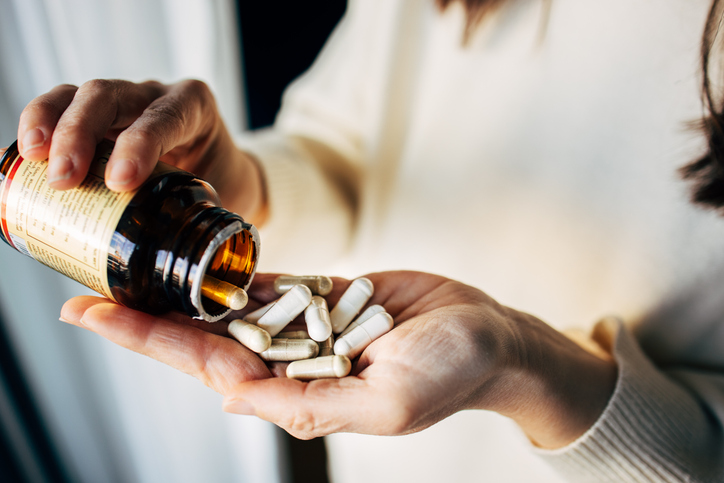
Antihistamines, both in tablet and cream form, are great to have at home and when travelling. They help to reduce itching and inflammation, and make bites much more manageable. Bug spray may not be the most glamorous summer essential, but it’s certainly one of the most useful!
From personal experience, the one thing I always forget to pack when going abroad ? and I genuinely don’t know why, as I remind myself every single time ? is a cream for insect bites. No matter where I go, I always seem to get bitten and end up having to visit a pharmacy abroad.
Maybe it’s because I secretly enjoy popping into pharmacies when I’m away. There’s something interesting about seeing the different products available compared to what we have at home. I can’t be the only one who does this… or am I?
Either way, one product I would highly recommend is a mild steroid cream such as hydrocortisone 1%. It’s not just useful when travelling ? it’s something worth having in your medicine cabinet at home too. Many people come into the pharmacy with red, itchy, inflamed bites, and this type of cream can be very effective in calming them down.
However, it’s important to keep an eye on bites, as occasionally they can become infected. If a bite becomes very painful, swollen, or starts to ooze, it’s best to seek medical advice, as antibiotics may be required.
Sprains and strains
Another trend we see in pharmacies over the summer is an increase in minor injuries, such as sprains and strains. With longer days and better weather, people naturally become more active, and children, in particular, are more adventurous when they’re playing outdoors.
There’s something about summer that makes everyone feel a bit freer and more inclined to get moving. While this is great, it does come with the occasional bump or injury. In these situations, we often recommend the RICE approach: Rest, ice, compression, and elevation. This can help reduce swelling and promote healing in the early stages of an injury.
Over-the-counter pain relief, such as paracetamol or ibuprofen, can also help manage discomfort. It’s important not to rush back into activity too quickly and to avoid putting too much weight on an injury before it has had time to heal. If symptoms persist, worsen, or you’re unsure about the severity of an injury, it’s always best to seek medical advice.
For many families, summer also means holidays. Once the kids are off school, people are eager to get away, whether it’s a staycation or a trip abroad. One thing we see time and time again is last-minute panic about what to pack from a health perspective. While most people remember the basics, it’s easy to overlook a few key items. Taking a bit of time to visit your local pharmacy and prepare a small travel health kit can save a lot of hassle later on.
Essentials include pain relief such as paracetamol and ibuprofen which are useful for headaches, fevers, or general aches and pains. Plasters and antiseptic cream are important for dealing with small cuts, grazes, or blisters ? especially if you’ll be doing a lot of walking. Sunscreen is an absolute must, particularly if you’re travelling to a warmer climate, and aftersun can be helpful for soothing the skin if it does get a bit too much sun.
Motion sickness tablets such as Stugeron can make travel more comfortable for those who are prone to it, and rehydration sachets are very useful in cases of dehydration or upset stomachs. Also a good one to have is an anti-diarrheal tablet such as Imodium to treat diarrhoea which is very common when abroad due to different foods, water etc. Having these items on hand means you can deal with minor issues quickly and avoid unnecessary stress while you’re meant to be relaxing.
Newborns and babies
Another important topic that often gets overlooked ? unless you’re a parent ? is caring for newborns and babies during the summer months. It’s something that can cause a lot of uncertainty, especially for first-time parents. Questions like: Should we expose them to the sun at all? Do they need sunscreen? What should they wear? It can feel a bit overwhelming.
Newborns and young babies have extremely sensitive skin. After all, they’ve spent around nine months protected in the womb, shielded from the outside environment. Because of this, extra care is needed when it comes to sun exposure. Babies under six months should be kept out of direct sunlight as much as possible, particularly during peak hours between 11am and 3pm. Shade should always be the first line of protection, whether that’s using a pram cover, umbrella, or staying under trees. Lightweight, loose-fitting clothing that covers the skin, along with a wide-brimmed hat, is ideal.
Sunscreen is generally not recommended for babies under six months unless absolutely necessary, and even then, it should only be applied to small, exposed areas. Keeping babies cool and well hydrated is also very important, as they can overheat quickly.
For older babies, sunscreen can be introduced, but it’s a good idea to patch test first to ensure there’s no reaction. There are plenty of sunscreens available that are specifically designed for sensitive skin. From personal experience, two products I’ve used on my own children and often recommend are La Roche-Posay Anthelios Dermo-Pediatrics SPF 50+ and Childs Farm. Both are gentle and effective options.
Travelling
When travelling with babies or young children, I find that creating a checklist is incredibly helpful. It ensures that nothing important is forgotten and gives you peace of mind before you leave. Of course, if you’re anything like me, you’ll probably still end up packing far more than you need ? I tend to bring everything “just in case”! But when it comes to your child’s health and comfort, it’s always better to be over-prepared than under-prepared. My approach is simple: Be ready for the unexpected, and you’ll be able to enjoy your summer that little bit more.