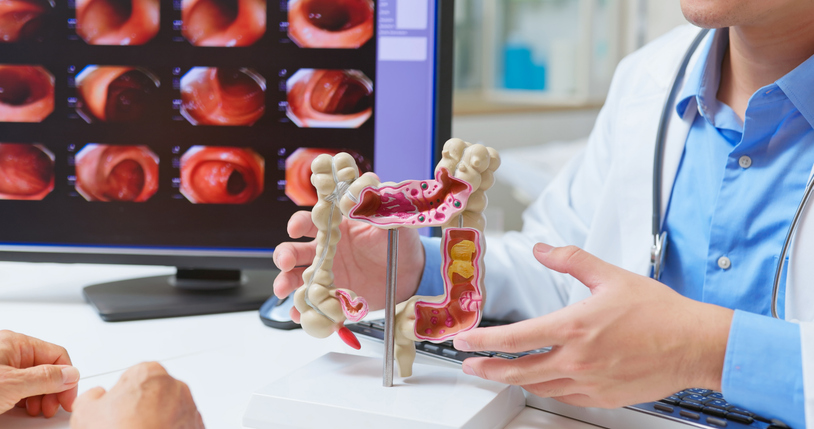
Constipation can ruin a person’s quality of life, but lifestyle changes and therapies can help to solve the problem
Everybody suffers with constipation at some point in their lives, and it can affect people of all ages. However, how it is handled will depend on the customer’s age, health status, and any other medications they may be taking.
Constipation is particularly common in certain age groups. Children’s Health Ireland (CHI) reports that constipation occurs in 5-to-30 per cent of children. While most children defecate at least every two-to-three days, babies who are being breast-fed sometimes only defecate once a week.
Sometimes, breastfed babies will ignore the urge to defecate and this can cause the build-up of a large, hard stool that causes pain when passed. From time-to-time, infants six months old or younger will cry when they pass soft stools but this does not necessarily mean they have constipation, especially if the stools are soft.
Children are particularly vulnerable to constipation at certain times in their lives: During toilet training; when introducing solid foods to their diets; and when they begin school. CHI states that the signs and symptoms of constipation are as follows:
- ≤2 stools/week.
- History of painful or hard bowel movements.
- History of withholding or incomplete evacuation.
- History of large-diameter stools.
- Presence of a large faecal mass on abdominal palpation (stomach examination with hands).
- Soiling/incontinence after the learning toileting skills.
Of course, the general population can also suffer with constipation, for a number of reasons. The HSE advises that in terms of assessment, a person probably has constipation if they haven’t defecated at least three times over a period of a week; if the stool is often dry, hard or lumpy; and if it is often difficult to pass and is bigger than usual. The person may also feel bloated, queasy, or have a stomach ache.
Causes
There are several potential causes of constipation in adults. The most typical causes include not eating enough fibre, not drinking enough fluids, and not getting enough exercise. High-fibre foods include fruits and vegetables, whole grains such as pasta, wholewheat bread, porridge or brown rice. Other high-fibre foods include legumes (such as beans, lentils or chickpeas) nuts or seeds, and yoghurt.
If a person eats a low-fibre diet and wishes to change, making the transition to high-fibre foods should be done gradually to avoid bloating and wind pains. The stomach will need time to acclimatise to a new diet, and it can take longer for some people than for others.
If they are enthusiastic about changing their dietary habits, people can be creative and seek out fun recipes for foods that are high in fibre to make the process more interesting.
Fibre has been shown to support the microbiome, which maintains the healthy balance of bacteria in the digestive tract. It is also proven to improve gut motility, which is the co-ordination of muscle contractions in the intestines that helps to push food through the digestive system.
Fibres
There are two types of fibre in food — soluble fibre, and insoluble fibre. Insoluble fibre in food cannot break down in digestion, and so passes through the body more or less as it is. Typical foods with insoluble fibre include popcorn, the seeds and skins of fruits and vegetables, leafy greens, and dried fruit and nuts, among others.
Insoluble fibre adds bulk to the stool and helps food pass more quickly through the digestive system, and may have a role in preventing constipation. Soluble fibre attracts water and turns to a type of ‘gel’ during the digestive process. Some research also suggests that some types of soluble fibre can also help lower the risk of heart disease.
Cancer patients
Cancer treatments can cause constipation, which is sometimes severe. A number of chemotherapy drugs cause constipation and this can have a significant effect on the person’s quality of life at a time when they are already struggling. It has been estimated that between 32 and 87 per cent of cancer patients suffer with constipation, particularly those who are taking opioids as part of their treatment.
Cancer patients taking chemotherapy and/or opioids will be prescribed a number of therapies to help relieve their constipation, such as a stool softener and a laxative in combination. However, the management of these patients’ constipation should always be directed by a medical professional.
Sometimes in a healthy adult, and for a variety of reasons, a change in diet and lifestyle modifications do not relieve constipation. In these cases, OTC medications can help. Laxatives are a common tool to treat constipation and can also be used in combination with diet and lifestyle changes. There are basically four types of laxatives:
- Bulk-forming laxatives. These increase the bulk of the stool, which stimulates the bowel into movement. These can take a few days to start working, depending on the formulation.
- Osmotic laxatives. These draw water from the body and into the bowel, which helps to soften stools and make them easier to pass. These can also take a few days to take their full effect.
- Stimulant laxatives. These stimulate the muscles in the gut, helping to encourage movement. These generally take effect more quickly than the above laxatives.
- Stool-softeners: These increase the water content in the stool, making it easier to pass.
There are certain people for whom it is not advisable to take laxatives. These include people who have a perforated bowel, a blockage of some kind in their digestive system, or those with a rare but serious disorder called phenylketonuria, which causes the amino acid phenylalanine to build up in the blood and brain. This is a serious medical condition and should be managed by a medical professional.
Others who should not use laxatives include people with severe allergies, people with irritable bowel disease, women who are pregnant, trying for a baby, or are breastfeeding, and people who have a history of kidney or liver disease. People who have had a colostomy or ileostomy should also avoid laxatives, as well as those who are lactose intolerant (some laxatives may contain lactose), and people with diabetes (some laxatives can increase blood sugar).
As always, if you have any doubts, consult the pharmacist on duty for reassurance.
Therapies
Dulcolax 5mg Gastro-Resistant Tablets are proven to be effective in easing the symptoms of constipation. Each tablet contains 5mg of Bisacodyl, which gently stimulates the bowel muscles to improve movement. This product works quickly to provide overnight relief from constipation to help return the body to its natural digestive rhythm. A customer must be aged 18 years or over to purchase this product. Other effective products in this range include Dulcolax Adult Pico Liquid, DulcoEase Capsules (can be used in people over 12 years old), and DulcoLax Twelve-Plus Suppositories (can also be used in people over 12 years old). Which product you recommend depends on age and health status.
Other clinically-proven therapies are included in the FyboCalm range. As mentioned above, people transitioning to a high-fibre diet may experience some abdominal symptoms. Fybocalm Wind & Bloating Relief Capsules 30 Capsules provide long-lasting relief from recurrent wind and bloating, as well as associated stomach pain. These capsules relieve wind, bloating and abdominal pain in just two hours and provide relief for up to eight days. They also promote a strong healthy gut lining and contain xyloglucan and pea protein, which are proven to help relieve and prevent symptoms recurring. Xyloglucan is a polysaccharide derived from tamarind seeds that allows Fybocalm to stick to the gut lining and protect it from irritants, while pea protein acts as a gelling agent to form a protective film on the gut lining.
If the customer suffers with diarrhoea, another proven product in the range is FyboCalm Diarrhoea Relief 30 Capsules. These capsules offer quick and effective relief and contain natural ingredients help to soothe and stabilise the gut. They are also effective in restoring normal intestinal function in patients who have irritable bowel syndrome, which is often accompanied by constipation.
Senokot Sennosides 7.5mg Tablets are another option for constipation. Each tablet contains 7.5mg of senna, which helps to gently stimulate the bowel muscles and is effective in the relief of short-term constipation. Senna helps to gently stimulate the bowel muscles to help return the body to its natural digestive rhythm and usually begin to work within eight-to-12 hours. This product should only be used by adults.
Fybogel Fibre Chews Citrus Flavour 30 Tablets are delicious citrus-flavoured chewable tablets that are effective in easing the symptoms of constipation and restoring gut function. This product contains the soluble fibre Fibersol-2 to help in retaining water in the stool. It also helps to bulk-up stools, making them easier to pass. No water is required, which makes this option attractive for people on-the-go, can be taken daily, and should only be taken by people aged 12 years and older.
Microlax Rectal Solution 4 x 5ml Tubes helps to empty the large bowel when constipated. The enema acts as a laxative by softening the stools and by its lubricating properties, and is suitable for adults and children over three years old. The tube can be squeezed lightly to make insertion more smooth, and the full contents are extracted by squeezing the tube. It is a fast-acting micro-enema that is easy to use and provides relief during constipation within five-to-15 minutes. This product works locally in the rectum without irritating the intestine or affecting other parts of the body.
Glycerol Suppositories for Adults 4g (12) help to treat constipation in adult customers and those over 12 years old. This product triggers the nerves of the lower intestines, therefore helping to improve gut motility. This provides rapid relief from constipation and is particularly useful for acute and temporary relief.