This module looks at Parkinson’s disease, including the epidemiology, aetiology, pathophysiology, diagnosis, pharmacological and non-pharmacological management strategies and the role of the pharmacist. On completion of this module, it is expected the reader will have an enhanced understanding of pharmacological treatment, including drug selection, adverse effect profiles, dosing schedules, and adherence strategies in Parkinson’s disease.
Introduction
Parkinson’s disease is a neurodegenerative disorder primarily of the central nervous system (CNS) that causes both motor and non-motor symptoms. It typically has a slow onset but is progressive in nature. The condition most often presents later in life, with generalised bradykinesia and at least one other symptom, such as tremor or rigidity. Motor symptoms often appear first and include tremor, bradykinesia, rigidity and postural instability, with non-motor symptoms developing later in the condition.
Parkinson’s disease places a considerable burden on patients, carers and the healthcare system, particularly in an ageing population. Pharmacists play a key role in supporting individuals with Parkinson’s disease, due to the complexity of its pharmacological therapy, the need for precise dosing schedules, and the management of both motor and non-motor symptoms.
This CPD module aligns with NICE guidelines and health frameworks. This module examines the epidemiology, aetiology, pathophysiology, diagnosis, pharmacological and non-pharmacological management strategies and the role of the pharmacist in Parkinson’s disease. There is a particular emphasis on pharmacological treatment, including drug selection, adverse effect profiles, dosing schedules, and adherence strategies.
Epidemiology
It is estimated that Parkinson’s disease affects one-to-two people per 1,000 at any given time, with prevalence rising to at least 1 per cent in those over
60 years of age. It is most commonly diagnosed in individuals over 60, but it can also affect younger people. Patients diagnosed between the ages of 40 and 60 are considered to have early-onset Parkinson’s disease. Those diagnosed between the ages of 21 and 40 have young-onset Parkinson’s disease, while symptoms appearing before age 20 are referred to as Juvenile Parkinsonism.
Approximately 10 per cent of cases have a genetic cause, with these cases typically occurring in younger people. The condition is more prevalent in males than females. It is estimated that approximately 18,000 people are currently living with Parkinson’s disease in Ireland. Given the ageing population, these figures are expected to rise substantially in the coming decades.
Symptoms
Parkinson’s disease presents with a range of both motor and non-motor symptoms that gradually progress over time. Among the motor symptoms, four are particularly prominent: Resting tremor, muscular rigidity, bradykinesia, and gait disturbances. Tremor is often an early feature of Parkinson’s disease and is typically unilateral and occurs at rest. However, it is not always present and not required for diagnosis.
Bradykinesia, a core feature of the condition, refers to slowness in initiating movement. This may manifest as taking longer to complete simple tasks or walking at a slower pace. Muscular rigidity is another common symptom, with patients appearing stiff and often struggling to rise from a chair without support. Gait disturbance tends to appear later in the disease and is characterised by poor posture and reduced arm swing.
Secondary motor symptoms may also develop. A combination of bradykinesia and rigidity can lead to micrographia (small handwriting). Postural instability is common in later stages of disease and can increase the risk for falls and impact on quality of life.
Non-motor symptoms of Parkinson’s disease may be neuropsychiatric, cognitive or autonomic. Neuropsychiatric symptoms such as anxiety, depression and hallucinations are common. Cognitive decline and Parkinson’s disease dementia often occur as the disease progresses. Autonomic symptoms may present at any stage of the disease and include constipation, difficulty swallowing, urinary retention, urinary urgency, and drooling. These symptoms are common and often do not improve with treatment.
Aetiology
Parkinson’s disease is believed to result from a complex interplay of genetic and environmental factors. Approximately 5-to-15 per cent of cases are linked to genetic mutations, with genes such as LRRK2 and SNCA implicated in disease development. These genetic cases typically present earlier in life.
The majority of cases are idiopathic, with no clear identifiable cause. However, several risk factors have been associated with this condition. Increasing age is the most significant risk factor for Parkinson’s disease. Environmental exposures — including pesticides and herbicides like paraquat and rotenone — have also been linked to an increased risk of Parkinson’s disease. Some research suggests that oxidative stress and the generation of free radicals contribute to disease pathogenesis. However, the evidence connecting environmental factors to the development of Parkinson’s disease remains inconclusive.
Pathophysiology
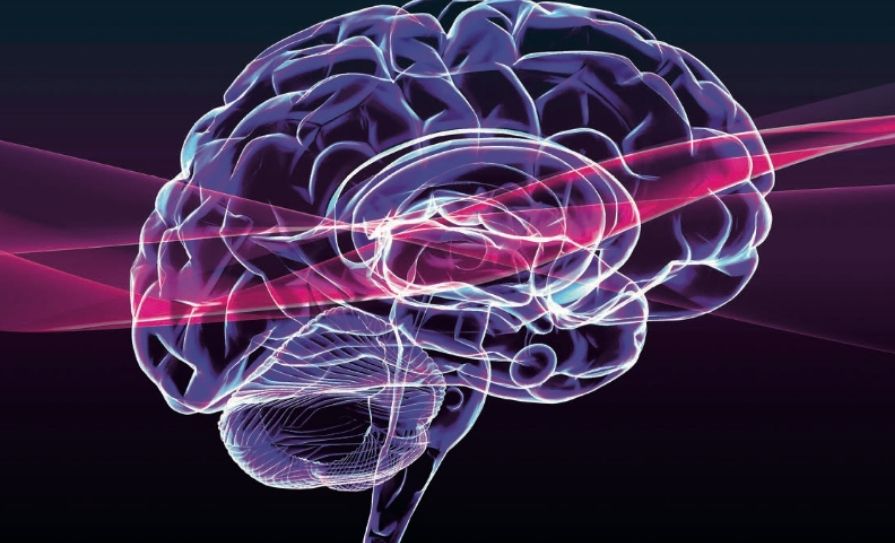
The pathophysiology of Parkinson’s disease involves the aggregation of alpha-synuclein, which leads
to the formation of Lewy bodies and subsequent degeneration of dopaminergic neurons in the substantia nigra pars compacta. These Lewy bodies disrupt neuronal function and contribute to the spread of neurodegeneration to other brain regions.
Clinical motor symptoms typically present once approximately 80 per cent of dopamine neurons have degenerated. In addition to dopamine, other neurotransmitters — such as acetylcholine, serotonin, noradrenaline, and gamma-aminobutyric acid (GABA) — are also affected. This broader neurotransmitter involvement may help explain the presence of non-motor features such as cognitive decline, mood disturbances, and autonomic dysfunction. However, the exact mechanisms behind the non-motor symptoms of Parkinson’s disease remain unclear.
Clinical motor symptoms typically present once approximately 80 per cent of dopamine neurons have degenerated
Diagnosis
Evaluation of Parkinson’s disease typically begins with a detailed patient history and physical examination, focusing on the characteristic symptoms outlined earlier. Diagnosis should involve referral to a specialist with expertise in the differential diagnosis of Parkinson’s disease, in line with National Institute for Health and Care Excellence (NICE) guidelines. Patients presenting with suspected Parkinson’s disease, for example with symptoms such as tremor, stiffness, slowness, balance problems or gait issues, should be referred promptly and remain untreated until assessed.
The diagnosis is primarily clinical and is often guided by the UK Parkinson’s Disease Society Brain Bank Clinical Diagnostic Criteria. These criteria require the presence of bradykinesia plus at least one of the following: Muscular rigidity, rest tremor, or postural instability.
An essential component of the diagnostic process is the exclusion of alternative conditions and medications that may cause extrapyramidal adverse effects that are similar to Parkinson’s disease. Supportive clinical features that strengthen the diagnosis include unilateral onset, a progressive disease course, asymmetric symptom presentation, excellent response to treatment, and clinical course extending beyond 10 years.
There are no specific laboratory or imaging tests to confirm the diagnosis. NICE guidelines advise against the routine use of positron emission tomography (PET) or structural magnetic resonance imaging (MRI) for diagnostic purposes. However, imaging may be considered when the diagnosis is uncertain or to rule out other conditions. The diagnosis should be reviewed periodically, particularly if atypical features emerge that suggest an alternative cause. Timely and accurate diagnosis is essential to avoid inappropriate treatment, unnecessary adverse effects, and missed opportunities for early intervention.
Pharmacological treatment
Pharmacological treatment is the cornerstone of Parkinson’s disease management, aiming to alleviate motor and non-motor symptoms, maintain functional independence, and enhance overall quality of life. Before initiating therapy, clinicians should carefully consider the patient’s specific clinical presentation, comorbidities, and risk of polypharmacy. It is also important to discuss the patient’s lifestyle, goals and expectations. Shared decision- making should guide the selection of pharmacological options, balancing potential benefits with the risk of adverse effects.
Pharmacological treatment of motor symptoms Levodopa
Levodopa is a dopamine precursor used in the treatment of Parkinson’s disease. It is particularly effective at controlling bradykinesia and is considered the most effective medication for improving quality of life in patients with idiopathic Parkinson’s disease. It exerts its mechanism of action by increasing dopamine levels in the CNS.
Unlike dopamine itself, levodopa can cross the blood-brain barrier, where it is converted to dopamine by the enzyme aromatic L-amino acid decarboxylase. Levodopa is also converted peripherally; therefore, it
is commonly co-administered with a peripheral decarboxylase inhibitor such as carbidopa or benserazide. These inhibitors prevent peripheral conversion to dopamine, thereby increasing the availability of levodopa in the CNS and reducing peripheral adverse effects. Once converted to dopamine in the CNS, it activates postsynaptic dopaminergic receptors, compensating for the reduced levels of endogenous dopamine.
Levodopa is typically administered orally, either in immediate-release or modified-release formulations, and is usually taken multiple times per day depending on disease severity and patient response.
Modified- release preparations can help reduce motor fluctuations, particularly ‘off’ periods, when symptoms return as the medication wears off. Treatment is usually initiated at a low dose and titrated upward gradually based on clinical response and tolerability. Taking levodopa with food may reduce gastrointestinal discomfort, although absorption is optimised when taken one hour before or two hours after protein- containing meals.
Common adverse effects include nausea, hypotension, headache, somnolence, hallucinations and dyskinesias, particularly with long-term use. Motor complications often emerge with chronic treatment and represent a significant challenge in disease management. Patients should be monitored regularly for adverse effects — especially neuropsychiatric symptoms and dyskinesias — and treatment adjusted as needed. Liver and renal function should be considered, particularly in older adults.
Contraindications for treatment include narrow-angle glaucoma and concurrent use with non-selective monoamine oxidase inhibitors (MAOI), due to the risk of hypertensive crisis. Caution is advised in elderly patients, who may be more sensitive to CNS effects.
NICE guidelines recommend offering levodopa to patients in the early stages of Parkinson’s disease when motor symptoms are affecting quality of life. It may also be considered in patients whose symptoms are not yet impacting daily function, as part of an individualised, patient-centred treatment plan.
Monoamine oxidaseB (MAOB) inhibitors
MAO-B inhibitors are used in the treatment of Parkinson’s disease, particularly during the early stages
as monotherapy or later as adjunctive therapy to levodopa in more advanced cases. They work by inhibiting the enzyme monoamine oxidase-B, which is responsible for the breakdown of dopamine in the CNS. By reducing the metabolism of dopamine, they increase its availability and prolong the action of both endogenous and exogenous dopamine, thereby improving motor function.
The two main MAOB inhibitors used in clinical practice are selegiline and rasagiline, both of which are typically administered orally. Rasagiline is administered once daily, while selegiline may be once or twice daily dosing.
MAOB inhibitors are generally well tolerated. Adverse effects may include nausea, dry mouth, dizziness, insomnia, headache and hallucinations. When co- administered with levodopa, they may potentiate dopaminergic side-effects such as dyskinesias or hypotension, which may require dose adjustments. Monitoring includes assessment of therapeutic response, managing adverse effects and avoiding potential drug interactions. These agents should generally not be used in combination with certain antidepressants due to the risk of serotonin syndrome and hypertensive crisis.
Although dietary tyramine restrictions are not generally necessary, patients taking higher doses of selegiline should be advised to avoid tyramine-rich foods such as aged cheeses or cured meats. This precaution is less relevant with rasagiline, due to its greater selectivity for MAO-B at therapeutic doses.
According to NICE guidelines, MAOB inhibitors are a first-line treatment option for early Parkinson’s disease in patients whose motor symptoms do not significantly impact quality of life. They may also be used as adjuvant therapy to levodopa later in the disease course to help manage motor fluctuations.
Non-ergot dopamine agonists
Non-ergot dopamine agonists are used in the treatment of Parkinson’s disease either as monotherapy in the early stages of disease, or as adjuncts to levodopa in more advanced disease. These drugs can delay the need for levodopa initiation or allow for reduced levodopa dosages, thereby potentially postponing the onset of motor complications such as dyskinesias and the ‘wearing off’ phenomenon. Dopamine agonists work by directly stimulating dopaminergic receptors in the CNS, compensating for the decline in endogenous dopamine levels. Commonly-used agents include pramipexole, ropinirole and rotigotine.
These medications are typically administered orally (ropinirole, pramipexole) or via transdermal patches (rotigotine). They are usually initiated at low doses and titrated gradually to minimise adverse effects. Rotigotine offers the advantage of continuous drug delivery and may be particularly beneficial for patients experiencing nocturnal or early morning symptoms. Adverse effects are relatively common and include nausea, vomiting, orthostatic hypotension, somnolence, dizziness, peripheral oedema, hallucinations and impulse control disorders. The behavioural adverse effects are more common in younger patients.
Monitoring should include regular assessment of motor and non-motor symptoms, sleep disturbances and impulse control behaviours. Renal function should be evaluated, especially in patients taking pramipexole, which is predominantly renally excreted.
According to NICE guidelines, non- ergot dopamine agonists are one of the first-line treatment options for patients with early Parkinson’s disease whose motor symptoms do not significantly impact quality of life. The choice between dopamine agonists, levodopa, and MAO-B inhibitors should be based on individual factors such as age, comorbidities, risk of adverse effects, and patient preference. In later stages of the disease, non-ergot dopamine agonists may be added to levodopa to reduce motor fluctuations. They are preferred over ergot-derived dopamine agonists due to a more favourable safety profile and the reduced need
for routine monitoring.
Ergot dopamine agonists
Ergot dopamine agonists, such as
According to NICE guidelines, ergot- derived dopamine agonists should not be offered as first- line treatment
bromocriptine and cabergoline, were historically used in the treatment of Parkinson’s disease. Like non-ergot dopamine agonists, they work by stimulating dopamine receptors in the CNS, thereby improving motor symptoms in patients with reduced endogenous dopamine levels. However, their use has declined significantly due to the risk of serious and potentially life-threatening adverse effects, including pulmonary fibrosis and cardiac valvular fibrosis. These risks necessitate intensive monitoring, including echocardiography, chest imaging and renal function tests.
Due to these safety concerns and the availability of safer and more effective alternatives, ergot dopamine agonists are now rarely used in routine Parkinson’s disease management.
According to NICE guidelines, ergot- derived dopamine agonists should not be offered as first-line treatment. They may be considered as an adjunct to levodopa in patients whose symptoms are not adequately controlled with non-ergot agents. In such cases, their use should be initiated and monitored under specialist supervision, with strict and ongoing safety monitoring throughout therapy.
Catechol-O-Methyl Transferase (COMT) inhibitors
COMT inhibitors are used as adjunctive therapy to levodopa in the treatment of Parkinson’s disease, particularly in patients who experience motor fluctuations despite optimised levodopa treatment. These agents work by inhibiting the COMT enzyme, which is involved in the peripheral metabolism of levodopa. By slowing this breakdown, COMT inhibitors prolong the half-life of levodopa, increase its bioavailability and extend its therapeutic effect. Importantly, COMT inhibitors are not effective as monotherapy and must be used in combination with levodopa. Commonly-used agents include entacapone and opicapone.
Entacapone is typically taken with each dose of levodopa, whereas opicapone is administered once daily due to its longer duration of action. When initiating a COMT inhibitor, the dose of levodopa may need to be reduced to minimise dopaminergic adverse effects. Adverse effects of COMT inhibitors include nausea, dyskinesias, diarrhoea, abdominal pain and discolouration of urine. There is also a potential risk of hepatotoxicity.
Dopaminergic adverse effects may be potentiated when COMT inhibitors are added to levodopa therapy. Monitoring should include assessment of adverse effects, motor symptom control and liver function. According to NICE guidelines, COMT inhibitors are recommended as an adjunct to levodopa in patients with motor fluctuations that are not adequately managed with levodopa alone.
Pharmacological treatment of non-motor symptoms Non-motor symptoms are a core component of Parkinson’s disease and can significantly affect quality of life. Treatment is often symptomatic and requires an individualised approach tailored to each patient. NICE guidelines acknowledge the impact of non-motor symptoms and recommend appropriate treatment alongside motor symptom management.
Daytime fatigue
Daytime fatigue is common and may be related to the disease itself
or to dopaminergic therapy. NICE recommends reviewing the patient’s treatment regimen; reducing or adjusting dopaminergic therapy may be beneficial. Modafinil may be considered for excessive daytime sleepiness when other pharmacological and physical causes have been excluded.
Depression and anxiety
Depression and anxiety are prevalent and can severely affect daily functioning. NICE provides guidance on managing depression in adults with chronic physical health problems, which includes selective serotonin reuptake inhibitors (SSRIs) as first- line therapy, while also considering psychological interventions.
Sleep disorders
Sleep disturbances, including REM sleep behaviour disorder and restless legs syndrome, are frequently reported in Parkinson’s disease. Pharmacological contributors, including dopaminergic therapy, should be reviewed, and good sleep hygiene should be encouraged.
NICE recommends considering clonazepam for REM sleep behaviour disorder, while melatonin may
also be considered. When using benzodiazepines, clinicians should consider risks related to tolerance and withdrawal.
Hallucinations and psychosis
Identifying and managing hallucinations and psychosis is essential. NICE advises reducing or withdrawing medications that may contribute to symptoms, considering both severity and potential withdrawal effects. If hallucinations or psychosis are well tolerated by the patient and caregivers, treatment may not be necessary. Quetiapine may be considered for patient who are not cognitively impaired, although the use is off label. Clozapine may be considered if standard treatment is ineffective. People with Parkinson’s disease may require lower doses than those used in other indications, and regular monitoring is essential. Olanzapine is not recommended for patients with Parkinson’s disease due to the risk of worsening motor symptoms.
Autonomic symptoms
Drooling may be managed pharmacologically if non-drug approaches, such as speech and language therapy, are ineffective. NICE supports the off-label use of glycopyrronium bromide. Referral for botulinum toxin A injections may be appropriate if first-line treatments fail.
Constipation is also common and may be exacerbated by reduced mobility, dietary factors or medication adverse effects. Initial treatment should include dietary advice and increased fluid intake, with laxatives such as macrogol or lactulose considered if lifestyle measures are insufficient.
Urinary dysfunction, including urgency, frequency and nocturia, is frequently observed. Contributing factors, such as prostate disease or infection, should be evaluated. Pharmacological options include antimuscarinic agents such as oxybutynin or tolterodine, while mirabegron, a beta-3 adrenoceptor agonist, may be used as an alternative.
Erectile dysfunction is another common issue. First-line pharmacological treatment includes phosphodiesterase type 5 (PDE5) inhibitors, such as sildenafil or tadalafil.
Clinical considerations
Effective pharmacological management of Parkinson’s disease requires careful consideration of
Urinary dysfunction, including urgency, frequency and nocturia, is frequently observed
multiple clinical factors to optimise outcomes. The NICE guidelines provide a structured framework that supports an individualised treatment approach, balancing symptom control, adverse effect burden, adherence and disease progression.
Timing and dose scheduling
Precise dose timing is critical for maintaining motor control. Delays of more than 30 minutes can significantly reduce treatment efficacy and lead to worsening symptoms. Patients should also be educated on the importance of spacing doses away from protein- rich meals to enhance absorption. Modified-release formulations may be considered to help manage motor fluctuations, especially overnight or during early morning periods.
‘Wearing off’ phenomenon
The ‘wearing off’ phenomenon occurs when the effect of levodopa diminishes before the next dose and is a common challenge, particularly in advanced stages. Management strategies
include increasing dosing frequency, switching to modified-release levodopa or adding adjunctive therapies such as COMT inhibitors, MAO-B inhibitors or dopamine agonists.
Adherence
Adherence to medication can be a challenge due to various reasons, including polypharmacy, cognitive changes and complex dosing regimens. Parkinson’s disease patients often require multiple doses throughout the day, which can lead to confusion or missed doses. Pharmacists can enhance adherence by recommending pill organisers, simplifying medication regimens and offering personalised counselling.
Withdrawal and switching
Abrupt discontinuation of dopaminergic medications can result in serious complications, including neuroleptic malignant syndrome-like reactions.
Medication changes should be gradual and monitored closely. If switching from levodopa to a non-selective MAO inhibitor, or vice versa, a minimum 14-day washout is necessary to avoid hypertensive crisis.
Use of amantadine
Amantadine is a weak N-methyl-D- aspartate (NMDA) receptor antagonist with dopaminergic properties. It is not considered first-line therapy but may be used in the treatment of levodopa- induced dyskinesias, particularly when dose adjustment or addition of other therapies is insufficient. Amantadine enhances dopamine release and inhibits dopamine reuptake. It is usually administered orally. Common adverse effects include confusion, hallucinations, insomnia and peripheral oedema. Due to its neuropsychiatric and systemic side- effect profile, its use should be regularly reviewed, and therapy should be discontinued if risks outweigh benefits.
Non-pharmacological management Non-pharmacological interventions should be implemented alongside pharmacological treatment options. A multidisciplinary approach to disease management is essential to improve clinical outcomes.
NICE guidelines recommend early integration of physiotherapy, occupation therapy, speech and language therapy and nutritional support in the management of Parkinson’s disease. Physiotherapy should be considered from the early stages of Parkinson’s disease for assessment and patient education, including advice about physical activity.
Parkinson’s disease-specific physiotherapy should be offered to patients with difficulties in motor function, mobility, or balance. Occupational therapy may be beneficial for patients experiencing difficulties with daily activities. Speech and language therapy may help patients who are experiencing issues with communication, swallowing or saliva control to reduce the risk of aspiration and improve communication skills.
Nutritional support is an important intervention for patients with Parkinson’s disease, with consideration given to referring patients to a dietitian for specialist advice. Daily protein intake should be maintained. A protein redistribution diet for patients on levodopa who experience motor fluctuations may be considered, where most of their daily protein intake is ingested in the final meal of the day.
Vitamin D supplementation is recommended by NICE guidelines. However, patients should be counselled to avoid taking dietary supplements without consulting their pharmacist or other healthcare professional, while creatine supplements should be avoided due to lack of evidence. The evidence regarding the use of vitamin E and co-enzyme Q10 is limited and therefore they are not recommended in NICE guidelines. Finally, increasing fibre intake may reduce symptoms
of constipation.
Pharmacists are in an important position to educate and monitor the progress of patients, creating a balance between pharmacological and non-pharmacological treatment approaches.
Role of the pharmacist
Pharmacists play a pivotal role in the management of Parkinson’s disease at all stages. With their accessibility and pharmacological expertise, they are well positioned to enhance clinical outcomes and improve patient experience. Pharmacists can perform symptom screening and aid diagnostic referrals in the initial stages. They can interpret treatment guidelines with other healthcare professionals to ensure appropriate pharmacological management.
Furthermore, pharmacists have the communication skills to ensure patients and caregivers
are educated on pharmacological treatment regimens. This involves tailoring dosing schedules, reviewing adverse effects, providing adherence support and identifying drug-drug interactions. Beyond pharmacological care, pharmacists can advise on non-pharmacological interventions, such as exercise, nutrition and managing sleep hygiene, offering a holistic approach to patient care. By working collaboratively within multidisciplinary teams, pharmacists ensure that care is co-ordinated, continuous and patient-centered, ultimately improving both clinical outcomes and quality of life.
References available on request