Gilead Sciences Ltd and Kite, a Gilead company, announced recently that two CAR T-cell therapies have been reimbursed through the public health system for the treatment of eligible adult patients in Ireland with certain types of blood cancer.
Yescarta (axicabtagene ciloleucel; axi-cel) is now reimbursed in Ireland as an option for the treatment of eligible adult patients with diffuse large B-cell lymphoma (DLBCL) and high-grade B-cell lymphoma (HGBL) that relapses within 12 months of completion of, or is refractory to, first-line treatment. DLBCL is an aggressive form of non-Hodgkin lymphoma. It is the most common type of lymphoma in Ireland, occurring in about one-third of all non-Hodgkin lymphomas and in four out of five high-grade types. Although 50-to-60 per cent of newly- diagnosed DLBCL patients will respond to their initial treatment, around 30-to-40 per cent will relapse or will not respond and may require another treatment option.
In addition, Tecartus (brexucabtagene autoleucel; brexu-cel) is now reimbursed in Ireland for eligible adult patients aged 26 years or more with relapsed or refractory B-cell precursor acute lymphoblastic leukaemia (ALL). Acute lymphoblastic leukaemia (ALL) is an acute haematological malignancy, representing approximately 11 per cent of all leukaemias in Ireland. While advances in chemotherapy and targeted immunotherapies have improved overall survival, relapsed or refractory (r/r) adult ALL is associated with poor outcomes.
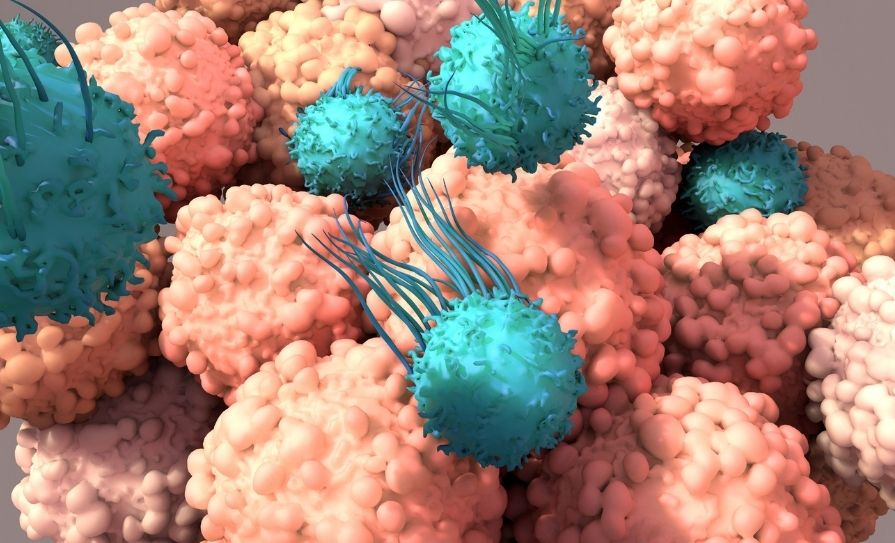
CAR T-cell therapies are individually made starting from a patient’s own T-cells. The cells are removed through a process similar to donating blood platelets or plasma and sent to specialised manufacturing facilities where they are engineered to target the patient’s cancer and then returned to the hospital for infusion back into the patient.