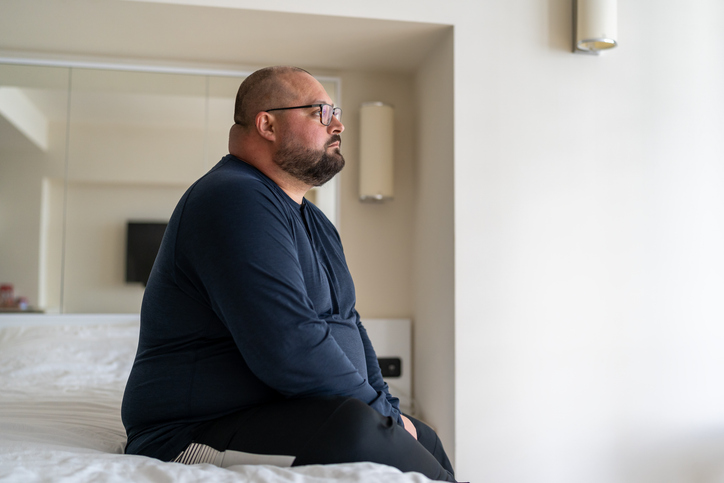
One-in-three (32 per cent) weight-management patients in Ireland admit to hiding their treatments from family and friends, with a quarter (25 per cent) lying about how they have lost weight.
That’s according to new research commissioned by Lloyds Online Doctor, which sheds light on the extent to which stigma and shame are shaping patient behaviour around this new generation of medication.
Three-in-four (77 per cent) people who are using, considering or previously used weight-management treatments, believe there is a greater stigma attached to them compared with traditional methods such as diet and exercise.
To conceal their use of treatments, one-in-four (23 per cent) weight-management patients in Ireland have said they avoid collecting medication from local pharmacies, while 19 per cent have arranged for it to be delivered to a different address.
The findings reflect a broader issue for people living with obesity in Ireland. Obesity-related stigma remains deeply entrenched, with patients waiting on average eight years from first being concerned about their weight to discussing it with a healthcare professional. Furthermore, 70 per cent of people living with obesity report stigma when engaging with healthcare services in Ireland.
Dr Kieran Seyan, Chief Medical Officer at Lloyds Online Doctor, says: “These findings suggest that many people who use, or are considering using, weight-management medication still feel concerned about how others may perceive their treatment decisions.
“Obesity is a chronic health condition, and for some patients, clinically prescribed medicines can form an important part of evidence-based weight management alongside lifestyle changes.
“In my clinical experience, some patients feel uncomfortable discussing their use of weight-management medication with friends, family or colleagues, despite being open about treatments they take for other long-term health conditions. When people feel judged for seeking help, it can create unnecessary barriers to accessing care.
“Ireland faces a significant challenge from obesity and its related health consequences. If we want to improve health outcomes, it is important that people feel able to access appropriate medical support without fear of embarrassment or judgement. These findings suggest there is still work to do to normalise evidence-based obesity management and encourage more people to seek help when they need it.”
The research also suggests that social perceptions are only one part of the challenge, with respondents identifying affordability and availability as important barriers to treatment access.
Cost is one of the biggest obstacles preventing people from accessing treatment. Four-in-five (78 per cent) patients said financial pressures have impacted how they use, or have used, their weight-management medication. A further one-in-three (31 per cent) respondents considering treatment say affordability is the reason they haven’t sought help.
The findings also highlight the lengths some patients are willing to go for treatment. One-in-four (27 per cent) who source their medication from unlicensed providers do so due to cost, while one-in-five (20 per cent) said limited availability of weight-management medicines through Irish State-funded schemes had led them to do so. Some are looking beyond the Republic altogether, with one-in-four (25 per cent) travelling to Northern Ireland for a prescription.