Our knowledge of eczema pathophysiology continues to evolve, along with our understanding of treatments. On completion of this module, it is expected the reader with have updated their knowledge of the combination of factors that cause the condition, eczema subtypes, treatment targets, and the increasingly important role of the pharmacist.
Understanding the Condition
Since I wrote about eczema for this publication as a CPD module in 2022, our understanding of eczema pathophysiology and treatment has continued to evolve. Increased emphasis is now placed on skin barrier dysfunction, proactive management strategies and the role of targeted immunomodulatory therapies in severe disease. This evolved knowledge and thus change is treatment-focus is reflected in the article.
What Is Eczema?
Eczema, also known as atopic eczema or atopic dermatitis, is a chronic inflammatory skin disorder characterised by dry skin, itching, redness, and recurrent flare-ups. It is one of the most frequently encountered dermatological conditions in primary care and community pharmacy practice.
Although eczema can develop at any age, it most commonly begins during infancy and early childhood, with many patients developing symptoms before the age of five years. The condition follows a relapsing and remitting course, with periods of relative control interrupted by acute flare-ups of varying severity.
Our understanding of eczema has changed considerably over the past decade and it is now recognised as much more than a simple dry skin condition. It involves a combination of skin barrier dysfunction, immune dysregulation, genetic susceptibility, and environmental triggers. Many patients with eczema also have asthma or hay fever, and healthcare professionals often refer to this progression of allergic conditions as the ‘atopic march’.
Epidemiology and Burden of Disease
Eczema affects approximately 15-to-20 per cent of children and up to 10 per cent of adults in many developed countries, making it one of the most common chronic inflammatory skin diseases worldwide. Irish prevalence rates are believed to be broadly similar to those reported elsewhere in Europe.
The impact of eczema extends well beyond the skin itself. Persistent itching can significantly impair sleep quality, concentration, school performance, and workplace productivity. Many patients experience embarrassment, reduced self-confidence, anxiety, and psychological distress.
Parents of children with severe eczema often report sleep deprivation and increased caregiving demands. Eczema also places a considerable burden on healthcare services through GP consultations, prescriptions, dermatology referrals and hospital-based care for severe disease.
Causes and Risk Factors
No single cause of eczema has been identified, and most experts believe it develops through a combination of genetic, immune and environmental influences. Attention has focused on mutations affecting filaggrin, a protein that plays a critical role in maintaining skin barrier integrity. Defects in filaggrin can increase water loss from the skin and allow irritants, allergens, and micro-organisms to penetrate more easily.
Changes in immune system activity also appear to play an important role in the development and persistence of eczema, resulting in chronic inflammation and heightened sensitivity to environmental triggers. Common aggravating factors include soaps, detergents, fragranced skincare products, wool clothing, excessive heat, sweating, emotional stress, and skin infections. Individual triggers vary between patients, highlighting the importance of personalised management,
Clinical Features and Presentation
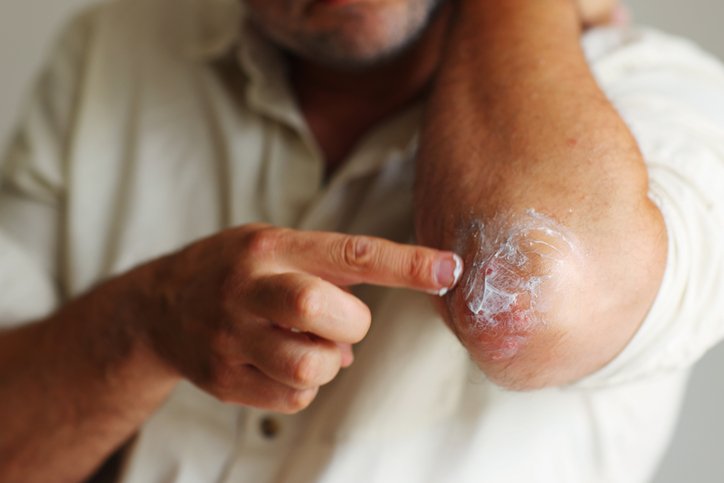
The hallmark symptom of eczema is pruritus, often described as intense and persistent itching. Typical clinical features include dryness, erythema, scaling, excoriation, and inflammation. Acute flare-ups may be associated with weeping, crusting, and increased irritation, while chronic disease can lead to lichenification, a thickening of the skin caused by repeated scratching and rubbing.
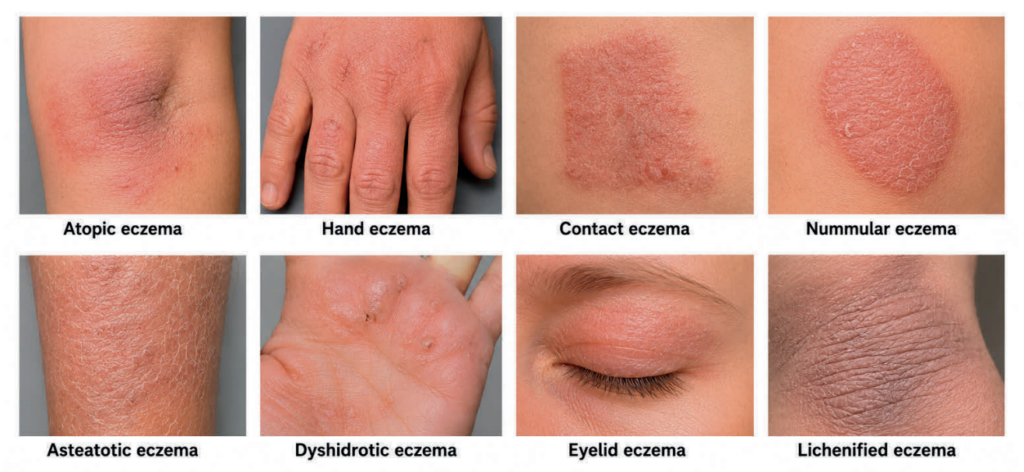
| Condition | Characteristics |
|---|---|
| Atopic eczema | Chronic relapsing inflammatory eczema characterised by dry skin, erythema, itching and excoriation. Commonly affects flexural areas. |
| Hand eczema | Common occupational eczema affecting healthcare workers, cleaners and others exposed to irritants or frequent hand-washing. |
| Contact eczema | Localised eczema caused by irritant or allergic contact with substances such as detergents, fragrances or metals. |
| Nummular eczema | Coin-shaped plaques of inflamed, itchy skin, often affecting the limbs and trunk in adults. |
| Asteatotic eczema | Dry, cracked eczema usually affecting the lower legs of older adults, particularly during winter months. |
| Dyshidrotic eczema | Recurrent intensely itchy vesicles affecting the palms, fingers and soles of the feet. |
| Eyelid eczema | Inflammatory eczema affecting the delicate skin around the eyes, often associated with irritants, allergens or atopic disease. |
| Lichenified eczema | Thickened skin resulting from chronic scratching and rubbing associated with long-standing eczema. |
TABLE 1: Eczema subtypes
The areas affected by eczema often vary depending on the patient’s age. In infants, eczema commonly affects the cheeks, scalp, and extensor surfaces of the limbs. In older children and adults, involvement of the flexural areas such as the elbows, knees, wrists, and neck is more typical. Secondary bacterial infection, usually involving Staphylococcus aureus, may complicate eczema and should be suspected when lesions become increasingly painful, weepy, or crusted.
The Importance of Skin Barrier Dysfunction
One of the biggest developments in eczema research has been a greater understanding of how defects in the skin barrier contribute to disease. Healthy skin acts as a protective barrier that prevents excessive water loss while blocking the entry of irritants, allergens, and micro-organisms. In eczema, this barrier is impaired, resulting in increased transepidermal water loss and greater susceptibility to inflammation. This helps explain why the skin becomes dry, sensitive, and prone to flare-ups.
This improved understanding helps explain why regular emollient use remains the foundation of eczema treatment and long-term disease control. Supporting and restoring barrier function is now considered a primary treatment goal.
Why Eczema Matters to Pharmacists
Community pharmacists are often the first healthcare professionals consulted by patients with eczema due to their accessibility and frequent contact with the public. Pharmacists play a key role in patient education, treatment adherence, product selection, and identification of treatment-related problems. They are ideally positioned to advise on appropriate emollient use, topical corticosteroid application, trigger avoidance, and recognition of secondary infection.
Pharmacists can also identify patients who require referral for medical review, particularly those with severe, recurrent, or treatment-resistant disease. As treatment options continue to expand, particularly for patients with severe disease, pharmacists are likely to play an even greater role in supporting safe and effective treatment use.
Community pharmacists are often the first healthcare professionals consulted by patients with eczema
Treatment
Emulsifying Ointment and Bath Products
Historically, emulsifying ointment and bath additives were widely recommended for patients with eczema and other dry skin disorders. Although some patients continue to find these products beneficial, more recent evidence suggests that leave-on emollients are considerably more important than routine bath additives in long-term disease control.
Where emulsifying ointment is used in bath water, patients should be advised that it can make baths and shower surfaces extremely slippery. Appropriate precautions should therefore be taken, particularly in older adults and patients at risk of falls.
Bathing should generally be limited to approximately five-to-10 minutes using luke-warm water. Following bathing, prescribed topical treatments such as corticosteroids may be applied to affected areas before the emollient is applied. Although practice varies, allowing approximately 15-to-30 minutes between applications may help optimise absorption.
For pharmacists, one of the most important counselling messages is that successful treatment of chronic dry skin conditions depends far more on regular emollient use than on intermittent use of prescription treatments alone. Consistent skin hydration remains the foundation upon which all other therapies are built.
Urea
Urea is a naturally occurring component of the skin and forms part of the Natural Moisturising Factor (NMF) found within the stratum corneum, the outermost layer of the epidermis. Other important components of the NMF include lactic acid, amino acids and various electrolytes. In healthy skin, these substances help maintain hydration, flexibility and normal barrier function. In many chronic dry skin conditions, including eczema, psoriasis and age-related xerosis, concentrations of natural moisturising factors are reduced, contributing to dryness, scaling and impaired barrier function.
For this reason, urea-containing preparations have an important role in dermatological practice. Urea is strongly hygroscopic, meaning that it attracts and retains water within the skin. At lower concentrations, typically between 5% and 10%, urea acts primarily as a moisturiser, improving hydration and reducing skin roughness. At higher concentrations, usually 20% or greater, it also exhibits keratolytic properties, helping to soften and remove hyperkeratotic or thickened skin.
Urea-containing emollients are particularly useful in patients with xerosis, ichthyosis, psoriasis, chronic eczema and age-related dry skin. Common examples available include Eucerin Urea Repair® products and a variety of other pharmacy emollient preparations containing differing concentrations of urea. Calmurid® was historically one of the best-known urea-containing products, although it was discontinued by Galderma several years ago due to concerns regarding certain excipients in the formulation and is no longer manufactured. According to Galderma in January 2020, when asked about availability of Calmurid® by the UK’s Psoriasis Association, the company said it was discontinued because “one ingredient of Calmurid® (DEA (diethanolamine) and Cocamide DEA) has triggered a safety concern via the regulatory authorities. As safety is our primary priority, Calmurid® will not be further produced.”
In addition to improving hydration, urea may enhance penetration of other topical therapies by softening the stratum corneum. This can be beneficial when used alongside topical corticosteroids or other anti-inflammatory treatments in selected patients. However, patients should be advised that urea-containing products may occasionally cause transient stinging or burning, particularly when applied to excoriated, inflamed or fissured skin. From a pharmacist perspective, urea-containing products can be particularly valuable in patients who remain symptomatic despite regular use of standard emollients or in those with significant scaling and hyperkeratosis.
Pruritus
Pruritus is often the most troublesome symptom experienced by patients with eczema and is a major contributor to sleep disturbance, reduced quality of life and worsening disease activity. Scratching damages the skin barrier, increases inflammation and perpetuates the itch-scratch cycle, making effective itch management an important treatment objective.
Historically, several topical preparations have been used to manage itching. However, evidence supporting many of these treatments is limited. Preparations containing crotamiton (Eurax®) have shown inconsistent benefit and are not routinely recommended for atopic eczema. Similarly, calamine lotion may provide temporary cooling but often has a drying effect and is generally less useful in chronic eczema. Topical antihistamines are also not recommended because of limited efficacy and the potential risk of contact sensitisation.
Topical doxepin is now rarely used in routine practice. Although it may reduce itching in some patients, its use is limited by local adverse effects, systemic absorption and the potential for drowsiness.
Oral antihistamines continue to be used in selected patients, although current evidence supporting their effectiveness in eczema-associated itch remains relatively weak. NICE guidance does not recommend routine long-term use of antihistamines for eczema. However, a short course of a sedating antihistamine may occasionally be considered in patients experiencing severe sleep disturbance due to itching, particularly during acute flare-ups.
From a community pharmacy perspective, chlorphenamine (Piriton®) remains the principal sedating antihistamine available over the counter in Ireland. While sedation may improve sleep quality in some patients, pharmacists should counsel regarding impaired concentration, driving ability and alcohol interactions.
Non-sedating antihistamines such as cetirizine and loratadine may be useful where a concurrent allergic condition such as allergic rhinitis is present, but their direct effect on eczema-related itching is often modest.
Practical non-pharmacological measures should not be overlooked. Regular emollient use, maintaining cool room temperatures, avoiding overheating and using soft cotton clothing may all help reduce itching. Cool compresses and tepid bathing can provide temporary symptomatic relief during acute flare-ups.
Therapies for Inflammation
Corticosteroids
Topical corticosteroids remain the mainstay of treatment for inflammatory eczema flare-ups and continue to be recommended by NICE as first-line anti-inflammatory therapy. They reduce erythema, swelling, itching and skin inflammation and are highly effective when used appropriately.
When eczema is well controlled and the skin is not inflamed, management should focus primarily on regular emollient therapy. During flare-ups, topical corticosteroids are introduced according to disease severity, body site and patient age.
Selection of potency is particularly important. The face, eyelids, genital region and skin folds are more susceptible to corticosteroid-induced adverse effects such as skin atrophy, telangiectasia and steroid-induced rosacea. Mild corticosteroids such as hydrocortisone 1% are therefore generally preferred in these areas.
Moderately potent corticosteroids such as clobetasone butyrate (Eumovate®) may be used for more significant inflammation, while potent corticosteroids such as betamethasone valerate (Betnovate®) or mometasone furoate (Elocon®) may be required for severe flares affecting thicker skin sites. Very potent corticosteroids such as clobetasol propionate (Dermovate®) are generally reserved for severe, localised disease and should normally be used under specialist supervision.
Current dermatology guidance emphasises the importance of using the lowest effective potency for the shortest duration necessary to control inflammation. Patient education is critical, as concerns regarding topical corticosteroids frequently lead to under-treatment and poor disease control. Equally, inappropriate long-term use can increase the risk of adverse effects.
Most modern evidence suggests that once-daily application is sufficient for many topical corticosteroids, with little additional benefit from more frequent application. This can improve adherence and reduce treatment burden.
For patients with frequent relapses, proactive therapy may be considered. Studies have demonstrated that intermittent maintenance treatment, for example twice-weekly application of topical corticosteroids to previously affected areas, can reduce flare frequency and prolong remission when used alongside regular emollient therapy.
Ointment formulations are generally preferred for dry, chronic eczema because they provide greater occlusion, improve hydration and often contain fewer preservatives than creams, reducing the risk of irritation and sensitisation. Creams may still be useful for weeping, exudative or cosmetically sensitive areas.
Patients with severe, extensive or treatment-resistant eczema should be referred for specialist assessment, where additional treatment options such as topical calcineurin inhibitors, phototherapy, systemic immunomodulators or biologic therapies may be considered.
Bandaging Techniques and Wet-Wrap Therapy
Wet-wrap therapy remains a useful option for selected patients with moderate-to-severe eczema, particularly during acute flare-ups that are not adequately controlled with conventional treatment. Although originally developed for use in specialist dermatology units and hospital settings, wet wraps can also be used successfully in the community following appropriate training and supervision.
Wet wraps are most commonly used in children with severe eczema but may also be beneficial in selected adults. Their primary mechanism is to improve skin hydration, reduce scratching, enhance the effectiveness of emollients and topical anti-inflammatory therapies, and help restore skin barrier function.
The technique generally involves applying a generous layer of emollient, with or without a topical corticosteroid, followed by a damp inner layer and a dry outer layer of bandaging or specialist garments. Tubifast® bandages and garments remain among the most commonly used products in Ireland and the UK because they are relatively easy to apply and allow repeated application of emollients throughout the day.
Several studies have demonstrated that wet-wrap therapy can rapidly improve eczema severity, reduce itching and improve sleep quality. In children with severe disease, successful use may reduce the need for hospital admission and decrease reliance on systemic therapies.
However, wet-wrap therapy is not without limitations. Occlusion increases penetration of topical corticosteroids and may therefore increase both efficacy and the risk of adverse effects. For this reason, treatment should generally be limited to short periods and undertaken according to specialist advice where potent corticosteroids are being used.
Potential advantages of wet-wrap therapy include:
? Rapid reduction in inflammation and itching.
? Improved skin hydration.
? Reduced scratching and skin trauma.
? Improved sleep quality for both patients and caregivers.
? Reduced corticosteroid requirements in some patients.
? Potential reduction in hospital admissions during severe flare-ups.
Potential disadvantages include:
? Increased absorption of topical corticosteroids.
? Time-consuming application.
? Requirement for patient or caregiver training.
? Reduced patient acceptance, particularly in young children.
? Potential discomfort from feeling too warm or too cold.
? Increased risk of secondary infection if used inappropriately.
? Additional cost associated with garments and dressings.
Current NICE guidance recognises wet-wrap therapy as a specialist intervention that may be useful in selected patients but is not routinely required for the majority of eczema sufferers managed in primary care.
Topical Calcineurin Inhibitors
Topical calcineurin inhibitors have become well-established steroid-sparing treatments for eczema, particularly when sensitive skin sites are affected or where prolonged corticosteroid use may increase the risk of adverse effects. Unlike topical corticosteroids, calcineurin inhibitors do not cause skin atrophy and are therefore particularly useful on the face, eyelids, neck and skin folds.
The two currently available agents in Ireland and UK are tacrolimus ointment, which is licensed in both UK and Ireland), and pimecrolimus cream (Elidel®), which is licensed in the UK but unlicensed in Ireland (a ULM version is available). Both work by inhibiting T-cell activation and reducing inflammatory cytokine release within the skin.
Current dermatology guidance generally recommends topical calcineurin inhibitors as second-line treatments when eczema has not responded adequately to emollients and topical corticosteroids, or where corticosteroid use needs to be minimised. They are particularly valuable in patients with recurrent facial eczema, eyelid eczema or disease affecting intertriginous areas.
Tacrolimus is available in two strengths. The 0.03% formulation is typically used in children and in patients with more sensitive skin, while the 0.1% formulation is commonly used in adults with moderate-to-severe disease. Pimecrolimus is generally considered slightly less potent but may be better tolerated by some patients.
The most common adverse effects are transient burning, stinging and warmth at the application site, particularly during the first few days of treatment. These symptoms usually diminish with continued use.
Earlier concerns regarding a possible association between topical calcineurin inhibitors and malignancy resulted in regulatory warnings and considerable professional debate. However, long-term post-marketing data and subsequent reviews have not demonstrated a clear causal relationship. Current European and international dermatology guidance supports their use when clinically indicated, although they remain second-line therapies and should be used according to prescribing guidance.
For patients with frequent relapses, proactive maintenance treatment using tacrolimus applied twice weekly to previously affected areas may help reduce flare frequency and prolong remission. This strategy is increasingly incorporated into specialist eczema management.
Other Treatments
Patients whose eczema remains poorly controlled despite optimised emollient therapy, trigger avoidance, appropriate corticosteroid use and calcineurin inhibitor treatment should be referred for specialist dermatological assessment.
In recent years, treatment options for moderate-to-severe eczema have expanded considerably. Narrow-band ultraviolet B (NB-UVB) phototherapy remains an effective option for selected patients with widespread disease and continues to be used in specialist centres throughout Ireland and the UK.
In recent years, treatment options for moderate-to-severe eczema have expanded considerably
Traditional systemic immunosuppressive therapies, including methotrexate, ciclosporin, azathioprine and mycophenolate mofetil, may still be used in severe cases. However, the therapeutic landscape has changed significantly with the introduction of targeted biologic and small-molecule therapies.
Dupilumab (Dupixent®), an interleukin-4 and interleukin-13 inhibitor, has transformed the management of moderate-to-severe atopic eczema and is now widely used in patients whose disease is inadequately controlled with topical treatments. Additional biologic therapies and Janus kinase (JAK) inhibitors have also emerged in recent years, providing further options for patients with severe or treatment-resistant disease.
These newer treatments are generally initiated and monitored by dermatology specialists, but community pharmacists increasingly encounter patients receiving them and therefore require familiarity with their indications, benefits and monitoring requirements. The emergence of biologic therapies represents one of the most significant advances in eczema management over the past decade and has substantially improved outcomes for many patients with severe disease.
Therapies with Limited or No Evidence Base
Patients frequently enquire about complementary therapies and nutritional supplements for eczema. While some individuals report subjective benefit, current evidence does not support routine use of many commonly promoted interventions.
The following therapies have not demonstrated consistent clinical benefit in well-designed studies:
? Essential fatty acid supplementation.
? Evening primrose oil and gamma-linolenic acid supplements.
? Pyridoxine supplementation.
? Vitamin E supplementation.
? Multivitamin preparations in the absence of deficiency.
? Zinc supplementation in the absence of deficiency.
Similarly, concerns regarding biological washing powders are often overstated. Although irritant reactions may occasionally occur, routine avoidance of biological detergents is not supported by strong evidence.
Interest in probiotics continues to grow and research remains ongoing. Some studies suggest a possible modest benefit in selected populations, particularly in prevention rather than treatment. However, current evidence remains insufficient to support routine probiotic supplementation as a treatment for established eczema, and NICE guidance does not currently recommend their routine use.
Role of the Pharmacist
Community pharmacists play a central role in the management of chronic skin conditions such as eczema. Poor disease control is frequently related not to treatment failure, but to inadequate patient education, unrealistic expectations, poor adherence to treatment, or incorrect use of prescribed products. As the most accessible healthcare professionals, pharmacists are ideally positioned to provide ongoing support, reinforce treatment plans, and improve long-term outcomes.
Atopic eczema commonly begins during infancy and childhood, meaning that parents and carers often seek advice from community pharmacists before consulting other healthcare professionals. Regular contact with pharmacists also allows opportunities to identify treatment-related problems, assess disease severity, encourage adherence and refer patients for medical review when appropriate.
| Severity | Typical clinical features | First-line management | Escalation options | Pharmacist role |
|---|---|---|---|---|
| Mild eczema | Mild itching, localised dry skin, occasional redness | Regular emollients, soap substitutes, trigger avoidance | Mild topical corticosteroids during flare-ups | Educate on emollient use and trigger avoidance |
| Moderate eczema | More widespread inflammation, recurrent flare-ups | Frequent emollients, moderate-potency corticosteroids | Topical calcineurin inhibitors, referral if poor control | Assess adherence and monitor treatment use |
| Severe eczema | Extensive disease, severe itching, sleep disturbance | Intensive emollient therapy, potent topical corticosteroids under supervision | Wet-wrap therapy, dermatology referral, phototherapy | Urgent referral and reinforce adherence |
| Refractory eczema | Persistent symptoms despite appropriate treatment | Specialist dermatology management | Systemic therapies, biologics, JAK inhibitors | Support patients receiving advanced therapies |
TABLE 2: Stepwise management and pharmacist intervention
Current NICE guidance highlights the importance of patient education and self-management. Pharmacists can contribute significantly by helping patients understand the chronic relapsing nature of eczema and the importance of proactive skin care, even when symptoms appear controlled.
Key pharmacist counselling points include:
? Emollients should be applied generously and regularly, including during periods when eczema is well controlled. Consistent use remains the foundation of treatment.
? Emollients are most effective when applied immediately after bathing or showering while the skin remains hydrated.
? During flare-ups, emollient use should usually be increased rather than reduced. Many patients underuse moisturisers during active disease.
? Patients should be encouraged to use sufficient quantities. Depending on disease severity and body surface area involved, adults may require several hundred grams of emollient per week.
? Patients should understand the differences between topical corticosteroid potencies and be reassured that appropriate short-term use is both safe and effective. Fear of corticosteroids remains a significant cause of undertreatment.
? When both topical corticosteroids and emollients are prescribed, allowing approximately 20-to-30 minutes between applications may help optimise absorption and minimise dilution of the corticosteroid.
? Patients should be advised not to apply topical corticosteroids or calcineurin inhibitors to areas of active infection unless specifically directed by a prescriber.
? Calcineurin inhibitors such as tacrolimus may increase photosensitivity. Patients should therefore be advised to use sensible sun protection measures and avoid excessive ultraviolet exposure.
? Weeping, crusting, rapidly worsening redness, pain or swelling may indicate secondary bacterial infection and should prompt medical review.
? Fucibet® cream and other antibiotic-containing topical preparations may be useful in selected cases of clinically infected eczema but should generally be reserved for short-term use because of concerns regarding antimicrobial resistance, particularly resistance to fusidic acid.
? Patients should be encouraged to identify individual triggers where possible, although extensive elimination strategies are often unnecessary and may increase treatment burden without providing meaningful benefit.
? Sleep disturbance, psychological distress and reduced quality of life are common consequences of poorly controlled eczema and should not be overlooked during consultations.
Referral to a Doctor or Dermatologist
Pharmacists should consider referral where:
? Symptoms remain uncontrolled despite appropriate use of emollients and topical therapies.
? Frequent or recurrent skin infections occur.
? Significant sleep disturbance or quality-of-life impairment is present.
? Extensive body surface area is affected.
? Diagnostic uncertainty exists.
? Contact allergy is suspected.
? Systemic treatment or phototherapy may be required.
True/False Questions
Q1. Regular emollient use should be continued even when eczema appears well controlled.
True / False
Q2. Food allergy is a common cause of chronic eczema in most adults.
True / False
Q3. Ointments provide greater moisturising effects than lotions because of their higher oil content.
True / False
Q4. Topical corticosteroids should be applied indefinitely to prevent eczema flare-ups.
True / False
Q5. The face and skin folds are at greater risk of corticosteroid-induced skin atrophy than other body sites.
True / False
Q6. 6. Wet-wrap therapy may help reduce itching, improve sleep, and decrease hospital admissions in severe eczema.
True / False
Q7. Topical calcineurin inhibitors such as tacrolimus do not cause skin thinning.
True / False
Q8. Current evidence strongly supports the routine use of probiotics for treating established eczema.
True / False
Q9. Community pharmacists have a key role in improving adherence and educating patients about eczema treatment.
True / False
Q10. The modern understanding of the hygiene hypothesis suggests that deliberately exposing children to infections is recommended to prevent eczema.
True / False
MCQs
Q1. According to current guidance, what is considered the cornerstone of eczema management?
A. Oral antihistamines.
B. Regular emollient therapy.
C. Antibiotics.
D. Topical antifungals.
Q2. Which of the following topical corticosteroids is classified as very potent?
A. Hydrocortisone 1%.
B. Clobetasone butyrate (Eumovate®).
C. Betamethasone valerate (Betnovate®).
D. Clobetasol propionate (Dermovate®).
Q3. Which statement regarding topical calcineurin inhibitors is correct?
A. They commonly cause skin atrophy.
B. They are first-line treatment for all eczema patients.
C. They may be particularly useful on the face and skin folds.
D. They should never be used in children.
Q4. Which of the following is most strongly associated with the development of atopic eczema?
A. Genetic predisposition and skin barrier dysfunction.
B. Vitamin E deficiency.
C. Excessive water intake.
D. Routine exposure to biological washing powders.
Q5. Which of the following statements about urea-containing emollients is correct?
A. Urea worsens skin hydration.
B. Urea attracts and retains water within the skin.
C. Urea should never be used with topical corticosteroids.
D. Urea is only useful in psoriasis.
COMPLETE THIS MODULE ONLINE
You can check your answers to the T/F and MCQ questions on PharmacistCPD.ie.
Successful completion of this module will earn you 2 CPD points.
References
- National Institute for Health and Care Excellence (2023). Atopic eczema in under 12s: diagnosis and management (CG57). London: NICE.
- National Institute for Health and Care Excellence (2024). Atopic eczema: antimicrobial prescribing (NG190). London: NICE.
- Langan SM, Irvine AD, and Weidinger S (2020). ‘Atopic dermatitis’, The Lancet, 396(10247), pp. 345-360.
- Weidinger S, and Novak N (2016). ‘Atopic dermatitis’, The Lancet, 387(10023), pp. 1109-1122.
- Cork MJ, Danby SG, Ogg GS, and Chittock J (2020). ‘Epidermal barrier dysfunction in atopic dermatitis’, British Journal of Dermatology, 182(3), pp. 507-515.
- Wollenberg A et al (2018). ‘ETFAD/EADV eczema task force position paper on diagnosis and treatment of atopic dermatitis’, Journal of the European Academy of Dermatology and Venereology, 32(5), pp. 657-682.
- Sidbury R et al (2014). ‘Guidelines of care for the management of atopic dermatitis’, Journal of the American Academy of Dermatology, 71(2), pp. 327-349.
- Eichenfield LF et al (2014). ‘Guidelines of care for the management of atopic dermatitis’, Journal of the American Academy of Dermatology, 71(1), pp. 116-132.
- National Clinical Programme for Dermatology (2023). Model of care for dermatology services in Ireland. Dublin: Health Service Executive.
- Health Service Executive (2024). Atopic eczema: patient and professional information resources. Dublin: HSE.
- Health Products Regulatory Authority (2024). Summary of Product Characteristics: Tacrolimus (Protopic®) Ointment. Dublin: HPRA.
- Health Products Regulatory Authority (2024) Summary of Product Characteristics: Dupilumab (Dupixent®). Dublin: HPRA.
- Pharmaceutical Society of Ireland (2024). Guidance for pharmacists on patient counselling and self-care management. Dublin: PSI.
- Irish Skin Foundation (2024). Eczema and atopic dermatitis information for healthcare professionals. Dublin: Irish Skin Foundation.
- Primary Care Clinical Effectiveness Programme (2023). Management of chronic skin conditions in primary care. Dublin: HSE and Irish College of General Practitioners.
- National Centre for Pharmacoeconomics (2022). Assessment of dupilumab for severe atopic dermatitis. Dublin: NCPE.
- Irish College of General Practitioners (2023). Dermatology education resources for primary care clinicians. Dublin: ICGP.
- National Paediatric Hospital Development Board (2023). Paediatric eczema management pathways. Dublin: Children’s Health Ireland.
- British Association of Dermatologists (2023). Guidelines for the management of atopic eczema. London: BAD.
- Simpson EL et al (2020). ‘Two phase 3 trials of dupilumab versus placebo in atopic dermatitis’, New England Journal of Medicine, 375(24), pp. 2335-2348.
- ilverberg JI (2021). ‘Comorbidities and the impact of atopic dermatitis’, Annals of Allergy, Asthma & Immunology, 126(5), pp. 533-545.
- Euro Dermatology Forum (2024). EuroGuiDerm guideline on atopic eczema. Brussels: European Dermatology Forum.