A new clinical trial, funded by the National Institute for Health and Care Research (NIHR) and led by researchers from Queen’s University Belfast, has shown that two different drugs used to help airway clearance in critically ill patients on mechanical ventilators cause harm.
The findings from the MARCH trial have been published in the New England Journal of Medicine and were presented at the Critical Care Reviews Meeting 2026 in Belfast.
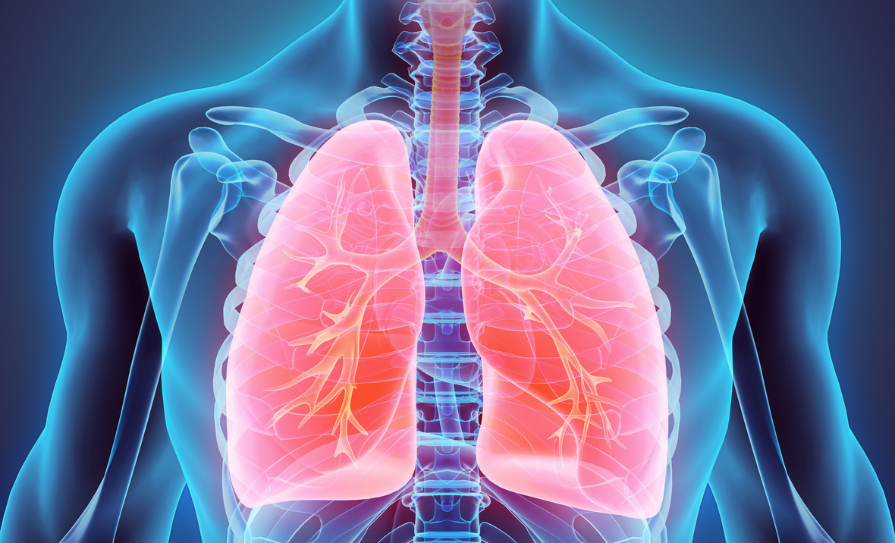
Acute respiratory failure in the critically ill is the commonest cause for patient admission to an intensive care unit (ICU). However, invasive mechanical ventilation used to treat respiratory failure can cause airway secretions to build up because it disrupts the lungs’ natural clearing system and changes the amount and thickness of secretions.
The two drugs under investigation in the study were carbocisteine and hypertonic saline. Both drugs are commonly used in ICUs across the world to aid airway clearance and have been thought to help reduce the length of time patients require mechanical ventilation.
The research team looked at nearly 2,000 patients recruited from 71 sites across the UK to determine
the effectiveness of the two drugs in critically ill patients with acute respiratory failure and thick secretions receiving mechanical ventilation, to shorten the time patients spent on mechanical ventilation.
They compared carbocisteine and hypertonic saline individually, as well as in combination, with usual care.
The team found that neither drug reduced the amount of time patients spent on mechanical ventilation, but both drugs caused harm. They saw an increased risk for gastrointestinal bleeding in patients given carbocisteine, and an increased risk of nebulisation- related harms, in patients given hypertonic saline.
Prof Bronwen Connolly, Chief Investigator for the trial from the Wellcome-Wolfson Institute for Experimental Medicine at Queen’s University Belfast, explains: “Through this trial, we aimed to improve patient care and clinical practice by understanding whether these two drugs are helpful for critically ill patients receiving invasive mechanical ventilation.
“Our findings show that the addition of carbocisteine or hypertonic saline in critically ill patients with acute respiratory failure showed no benefit, and both drugs were associated with harm, highlighting the need for caution in their use in clinical practice.”
Prof Danny McAuley, Co-Chief Investigator for the trial from the Wellcome-Wolfson Institute for Experimental Medicine at Queen’s University Belfast, adds: “Acute respiratory failure is one of biggest killers in critically ill patients in ICU. Moving forwards, we will need to make sure we only use treatments which are effective and safe based on evidence from trials such as this.
“Translating these findings into clinical guidelines and relevant policy will help to achieve this and improve the outcomes for our critically ill patients. Support from the NIHR was vital for the delivery of this trial.”
Prof Anthony Gordon, Director for the NIHR’s Health Technology Assessment (HTA) Programme, said: “This is a
very important study for two reasons. Sometimes there can be a temptation to simply “do everything” for critically ill patients. Studies like the MARCH trial are crucial to properly evaluate treatments, building knowledge and evidence to ensure seriously ill patients who visit
ICU receive the safest and most suitable treatments. NIHR studies, embedded in the NHS, support “learning while we do”.
“Secondly, the MARCH study was led by the physiotherapy team, and it illustrates how important the multi- professional team are for caring for seriously ill patients. For the past two decades, the NIHR has supported and continues to support research led by all health and care professionals, ensuring patients receive the best all-round care.”
Prof Ronan McMullan, Director of Research and Innovation at the Belfast Health and Social Care Trust, said: “We are pleased to have been part of this important, practice-defining, research as both the trial Sponsor and Clinical Trials Unit (NICTU) that co-ordinated the trial. We anticipate that its findings will benefit patients and the NHS.”
The research team comprised multi- professional experts across critical care medicine, physiotherapy, pharmacy, and nursing, with world-class expertise in the delivery of clinical trials to critically ill patients with acute respiratory failure. The trial was managed by the Northern Ireland Clinical Trials Unit.
The research was also supported by the Health and Social Care Research & Development Division (HSC R&D Division) of the Public Health Agency through the Northern Ireland Clinical Research Network and Clinical Trials Unit.